


SMILE LASIK Smart Nova LASIK
SMART NOVA — Endless choices for sharper vision
SMART NOVA — Endless choices for sharper vision
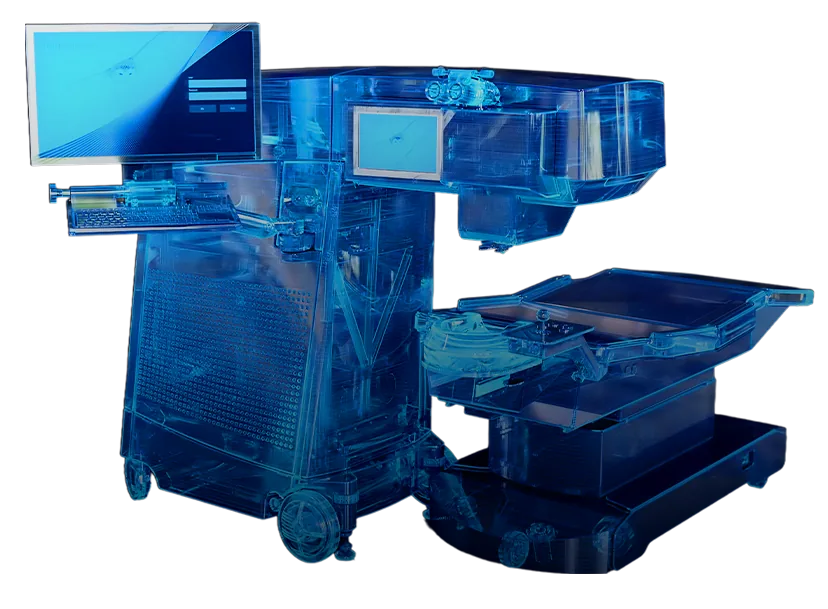

Smart Nova LASIK builds on Smart SMILE LASIK with ATOS by adding the centration-compensation system CenTrax® and planning in 0.05D steps, with the goal of safe, accurate treatment and clear vision after surgery—a SMILE LASIK procedure.
SMART SMILE LASIK
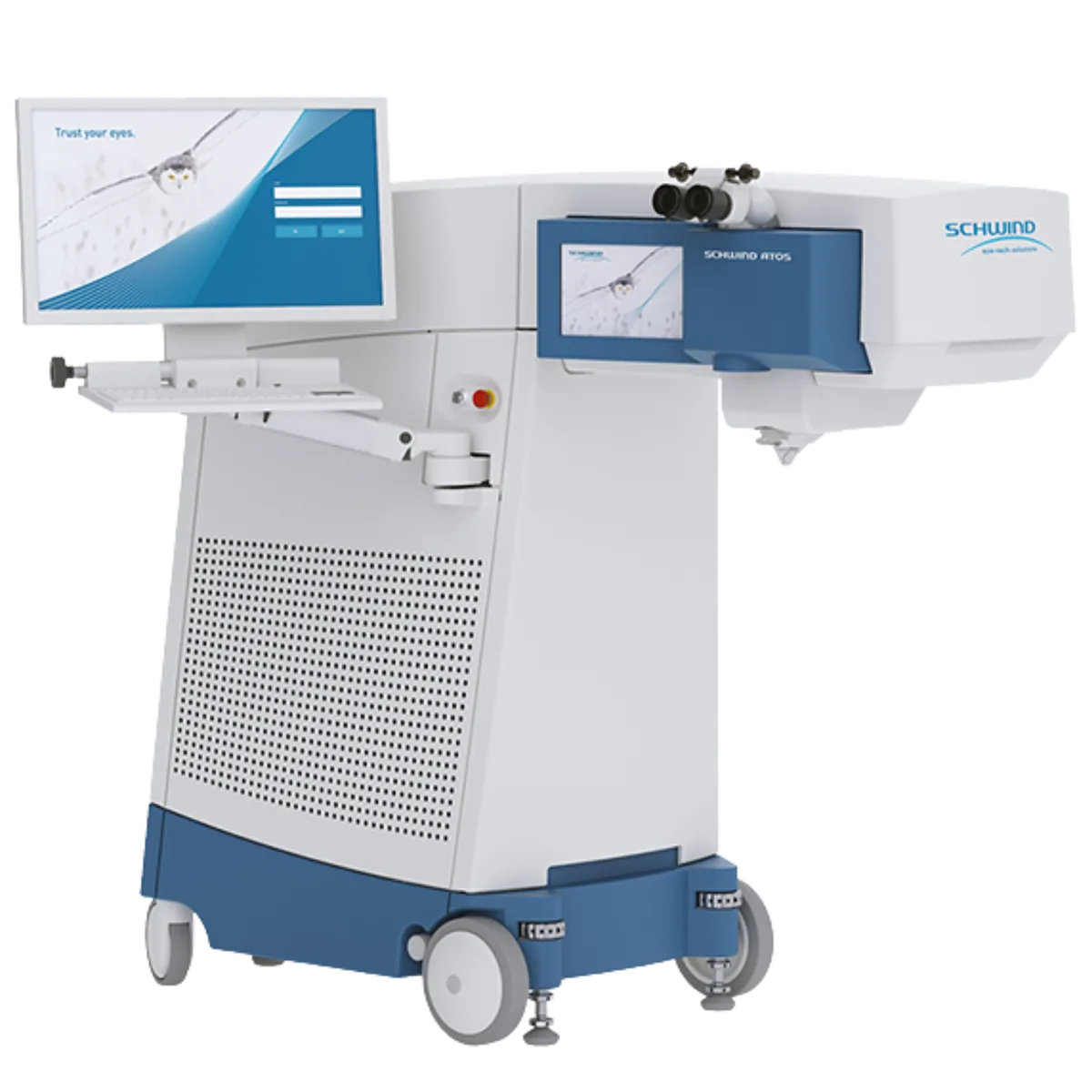
A high laser repetition rate, 7D eye tracking for astigmatism correction, and a design without unnecessary lenticule side cuts aim to reduce glare and halos.
SMILE LASIK
SMART NOVA LASIK
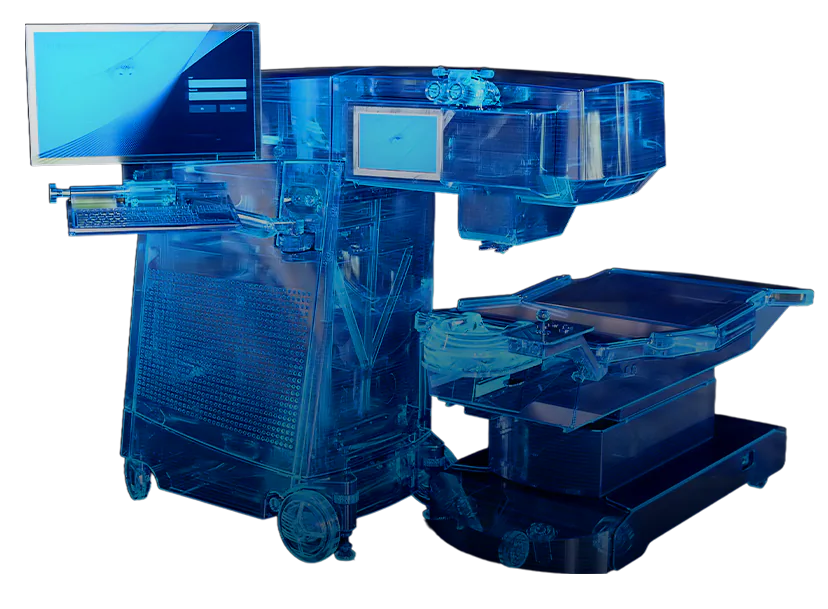
CenTrax® in Smart Nova LASIK automatically compensates for eye movements in real time to align the axis and center of astigmatism, and customized correction in 0.05 D steps can be used for high astigmatism. Using low energy also aims to limit corneal damage; recovery varies from person to person.
Even the slightest eye movements are tracked in real time,
to keep the treatment
on its planned position.
Decentration and
small errors may occur
- Precise astigmatism correction
- High repetition rate
- CenTrax® centration-compensation docking system
- Correction in 0.05 D steps
- Low thermal energy
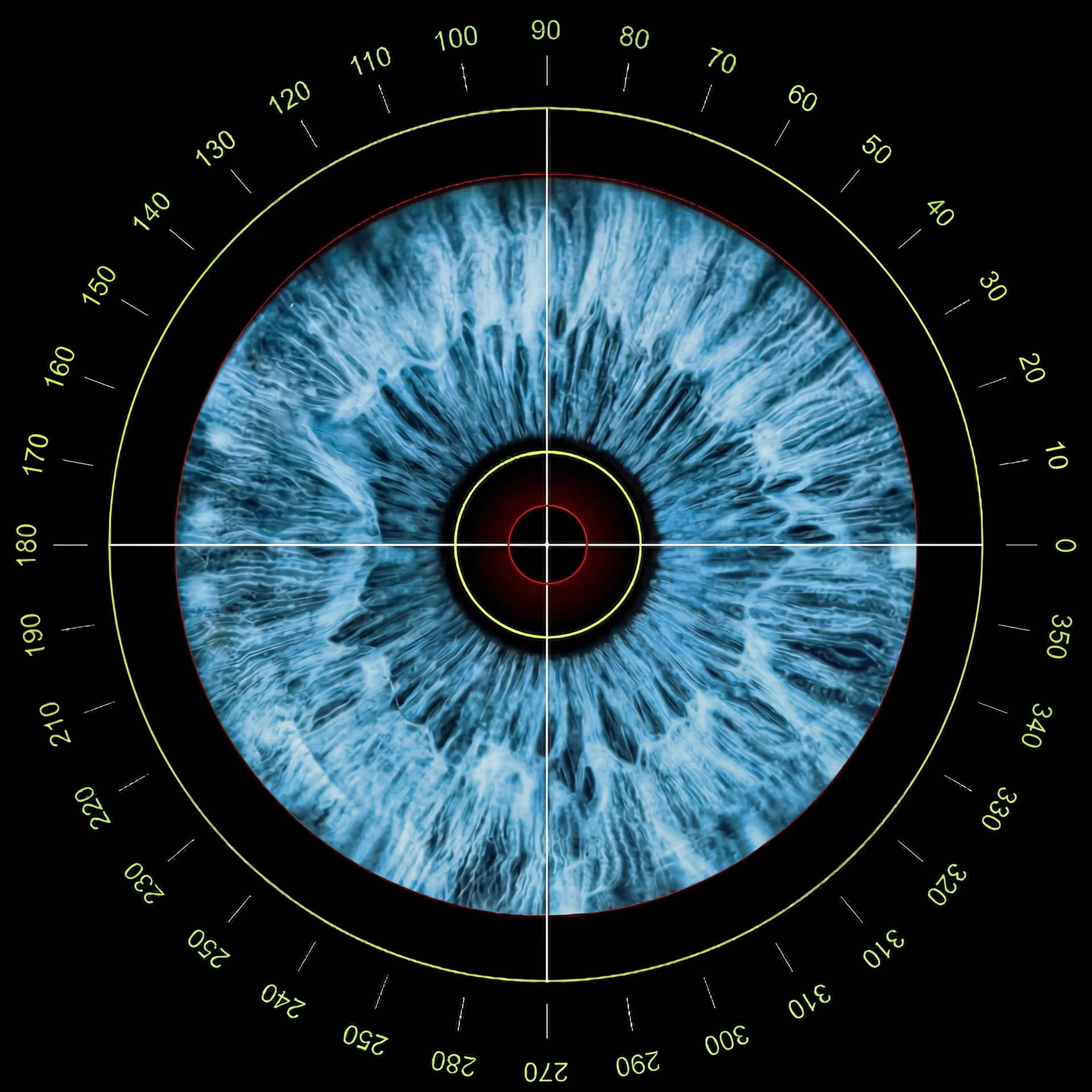
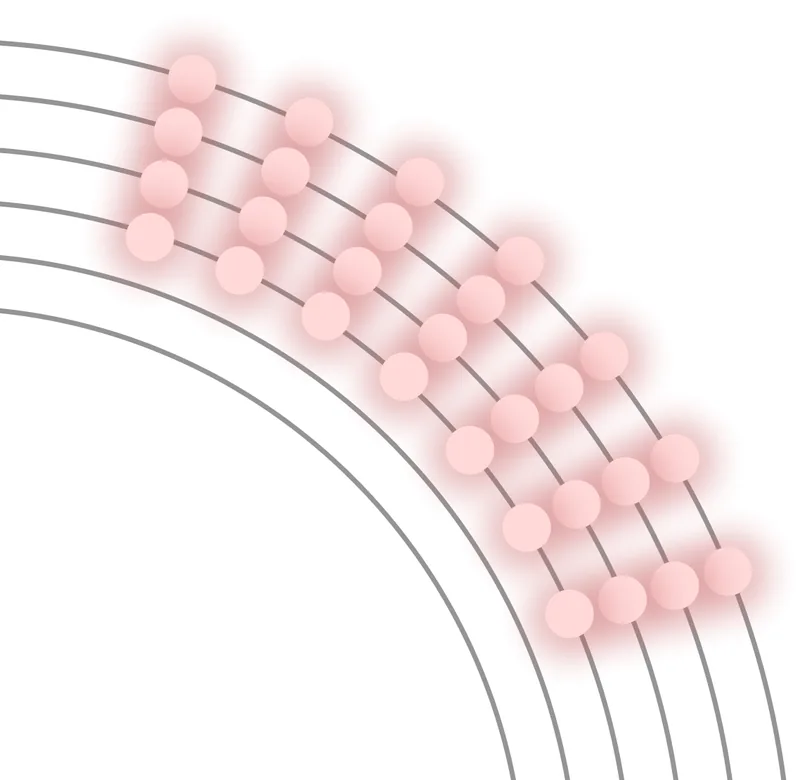
With a symmetric layout, more laser pulses are delivered per unit area, causing thermal damage to the cornea
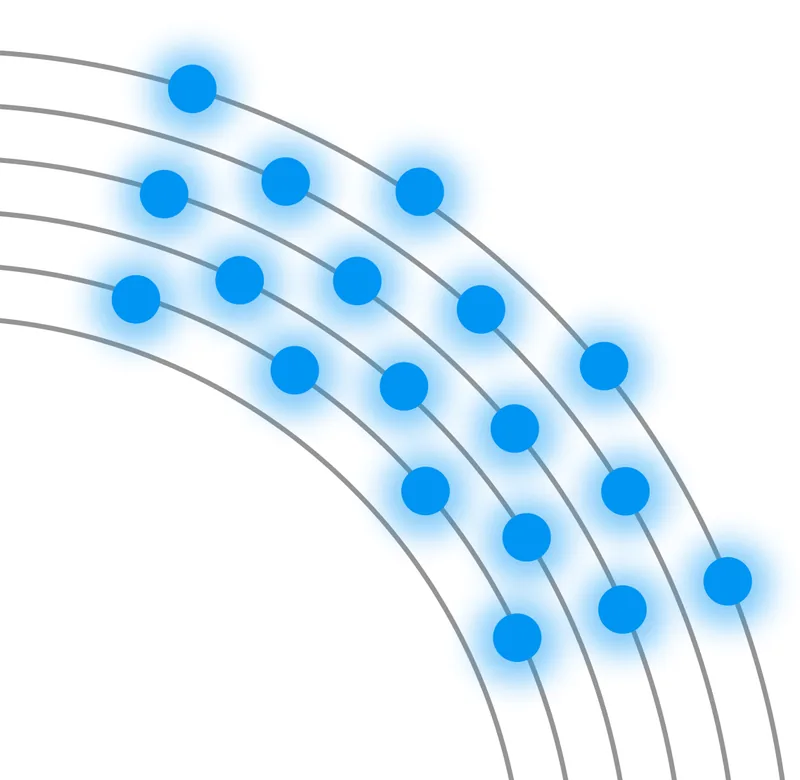
With an asymmetric layout, fewer laser spots and less energy per unit area are used to increase visual clarity.
→ Potential for astigmatism error
→ Precise, customized astigmatism correction possible
Applying wavefront to reduce halos and glare for ultra-precise customized vision correction
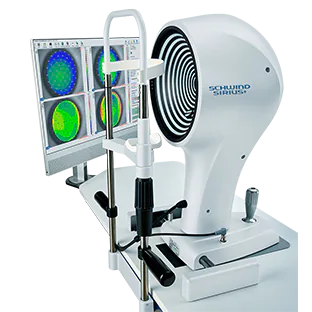
3D corneal topography precision diagnostic device
Everyone has different corneal shapes, vision, and higher-order aberrations that affect halos and glare. At Gangnam Central Eye Clinic, we use the third-generation customized Sirius device to apply wavefront-guided correction and provide personalized surgery for our patients.
TECHNICAL COMPARISON
We recommend the vision correction procedure that is most suitable and safe for the patient’s eye condition.
BRAND MISSION
QUESTIONS & ANSWERS
These are the questions most frequently asked about Smart Nova LASIK.
Smart Nova LASIK is a lenticule-extraction approach designed to use SCHWIND ATOS’s CenTrax® system to assist with centration and to correct pupil movement, cyclotorsional movement, and any residual positional error after docking. Individual applicability varies depending on precise examination results.
Because corneal thickness, curvature, and shape differ from person to person. Corneal topography from the Sirius is used in pre-op evaluation and planning to help with centration and suitability decisions. Test results alone cannot guarantee a specific visual outcome or reduced glare and halos.
Corneal thickness and shape, refraction, dry eye status, and retinal condition should be assessed. Device functions aid planning but do not eliminate all risks; confirm candidacy and expected pros and cons through detailed testing and consultation with a doctor.
The manufacturer catalog states that CenTrax is advantageous for astigmatism correction. Actual use is decided after assessing your astigmatic axis and corneal status.
We cannot promise reduced glare and halos based on test results alone. Sirius data is used in planning, but outcomes depend on your eye condition.
ATOS NOVA by SCHWIND eye-tech-solutions (Germany). Per the manufacturer catalog, the maximum repetition rate is 4 MHz; other figures are provided only as confirmed in the catalog.
Walking from the day after surgery; gym workouts and yoga after 1–2 weeks; swimming and combat sports and ball sports after 1 month. Recovery varies, so timing may be adjusted based on your eye status at follow-ups.
It is performed with SCHWIND ATOS NOVA. No corneal flap is created; a lenticule formed in the corneal stroma is removed.
We treat that first. If dryness is significant, test values fluctuate, making it hard to judge which methods are feasible. At our Dry Eye Center, we identify the underlying causes.
We evaluate myopia/astigmatism power; corneal thickness, anterior/posterior shape, and biomechanics; tear secretion and breakup time; day/night pupil size; anterior chamber depth and corneal endothelial cell count; and the fundus and optic nerve. If any criterion is not met, that method is ruled out.