


2DAY
Conventional LASEK
VS
One-Point
LASEK
FAQ
No. It removes the corneal epithelium with a laser and reshapes the corneal stroma underneath, so there is no step of creating and lifting a flap.
You wear a bandage contact lens for 3–5 days, and we follow your progress over 1–3 months until vision stabilizes. Recovery speed varies by individual.
It is not mandatory. We decide whether to perform it together based on the condition of your cornea. Depending on test results, we may not recommend it.
To protect the eye while the area where the epithelium was removed heals over, we place a bandage contact lens at the end. When to remove it is decided based on the state of the epithelium.
The discontinuation period varies by lens type. Because exam results are affected by lens wear, please tell us what lenses you are using when you book, and we will guide you on when to stop.
This is a common misunderstanding. LASEK does not remove less; the location is different. One-Point LASEK removes the epithelium and then reshapes the stroma underneath, while LASIK creates and lifts a flap and reshapes beneath it. The actual amount removed is calculated based on your prescription and corneal condition.
Outdoors, we recommend sunglasses for at least 1 month, and preferably up to 2 months for LASEK. This is to reduce UV exposure while the epithelium is healing over. The wearing period varies by individual, and we will advise again based on the epithelial status during follow-ups.
With high myopia, more tissue must be removed, so the remaining corneal thickness can easily fall short. If testing shows enough thickness, we consider SMILE LASIK; if not, we consider implantable lens (ICL) surgery, which leaves the cornea almost untouched. One-Point LASEK is a flapless surface procedure and can be an alternative when thickness is only slightly short.
With marked astigmatism, the axis measured while sitting and while lying down can differ, and we reflect that difference in the surgical plan. If the cornea is thick enough we consider LASIK-type procedures; if thin, One-Point LASEK. More important than the method is whether axis correction is accurate.
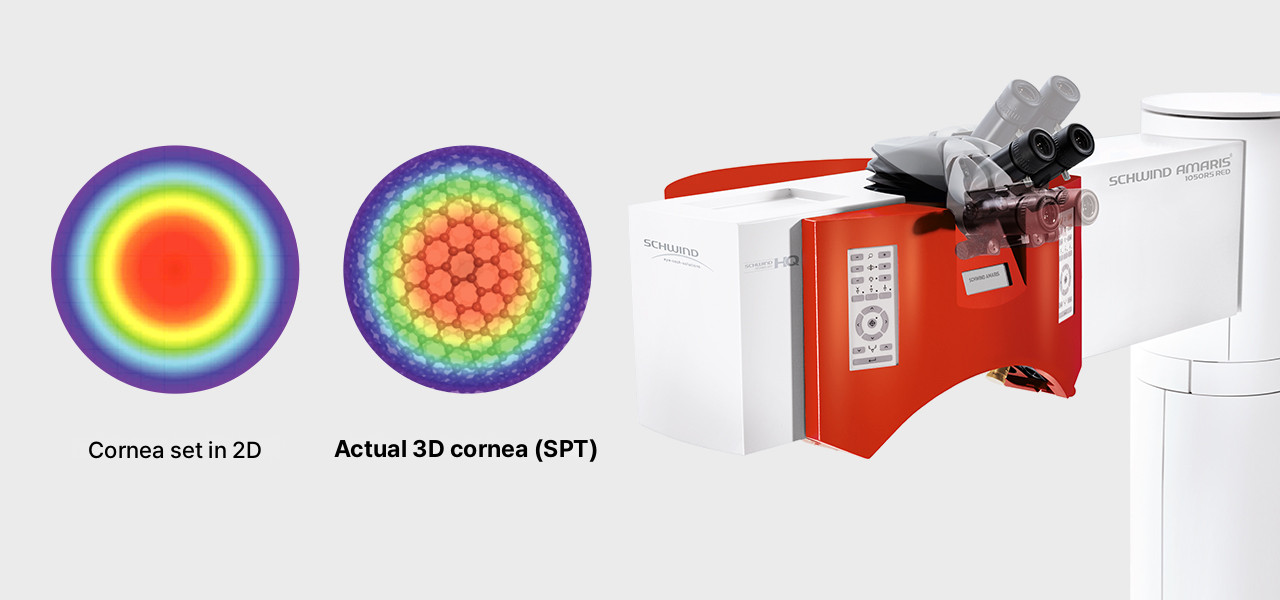
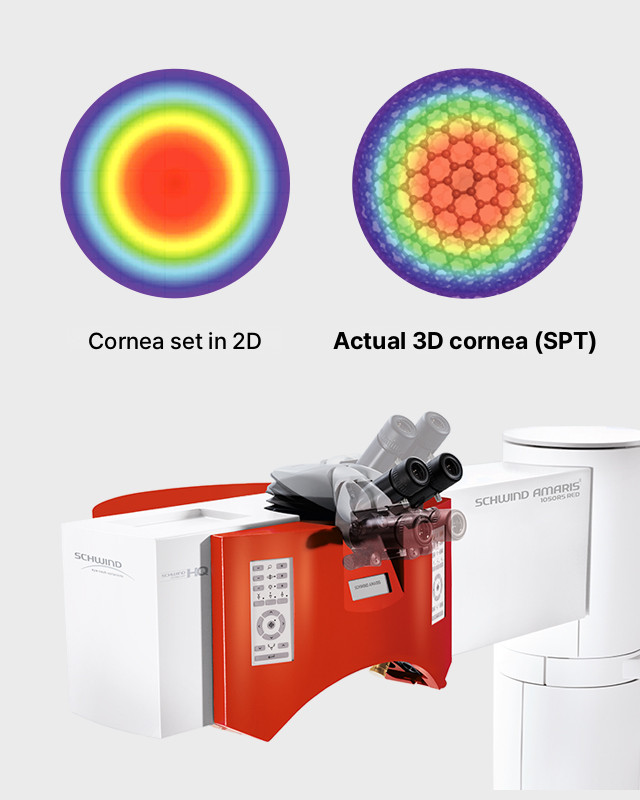
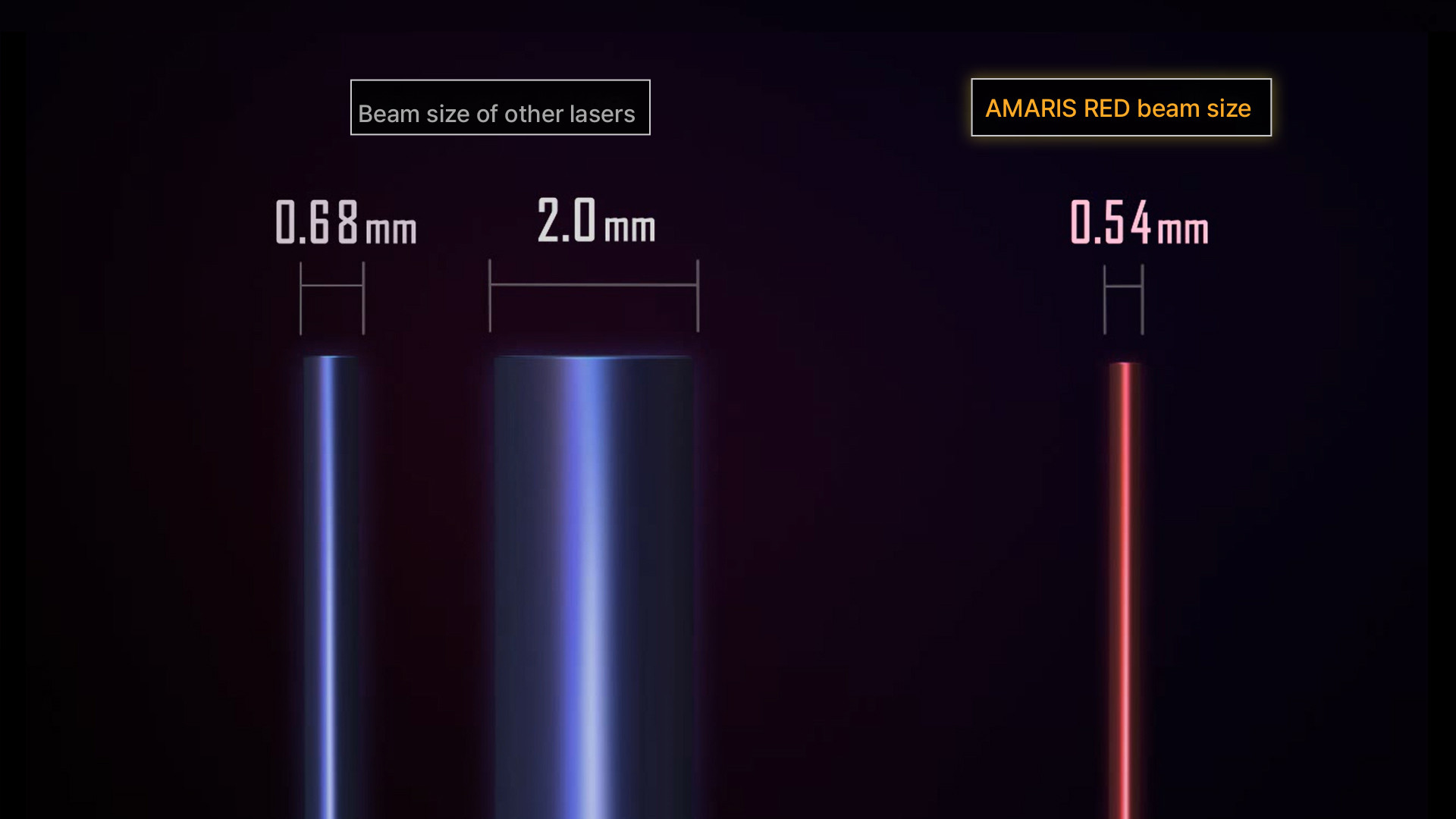
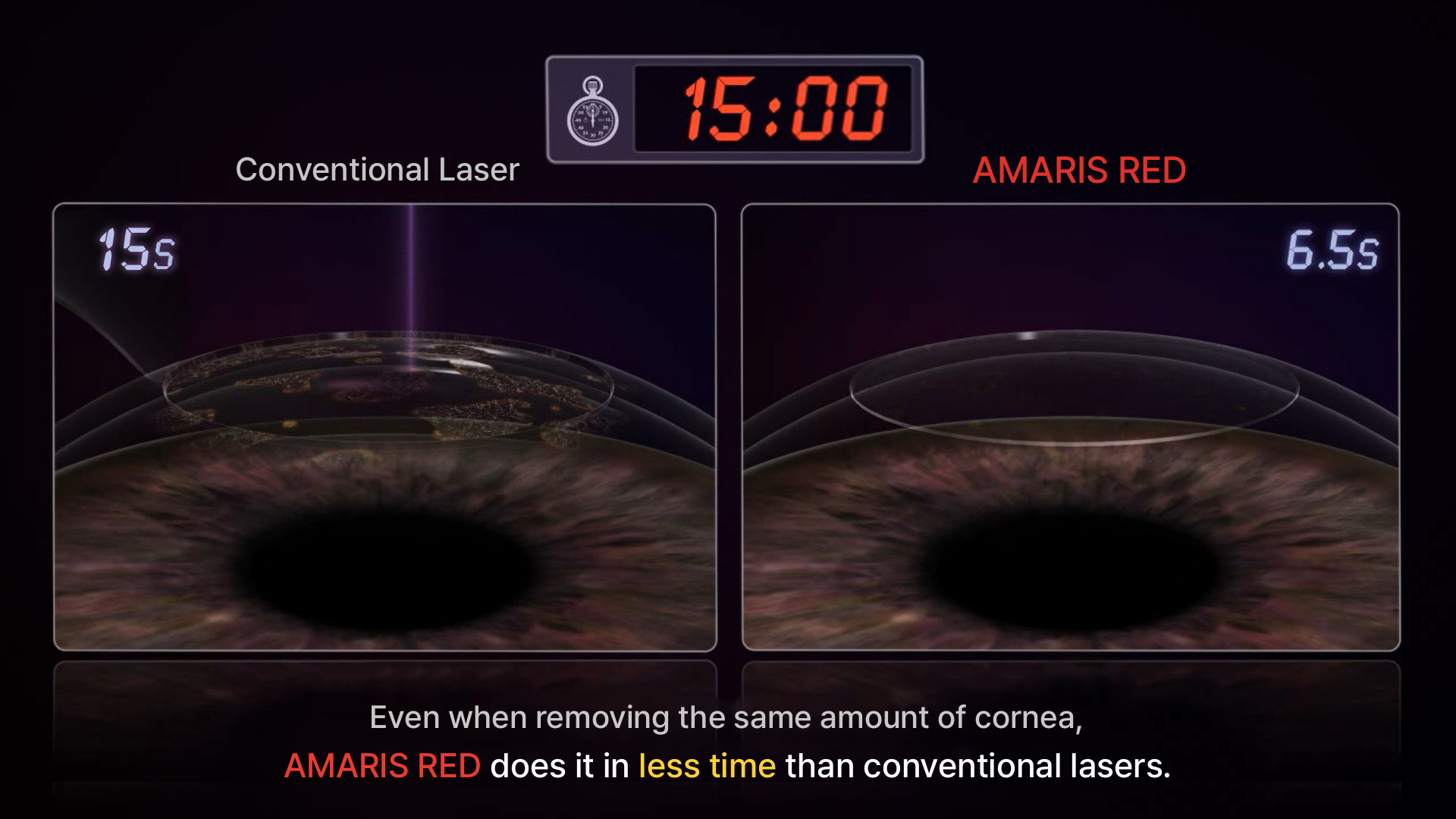
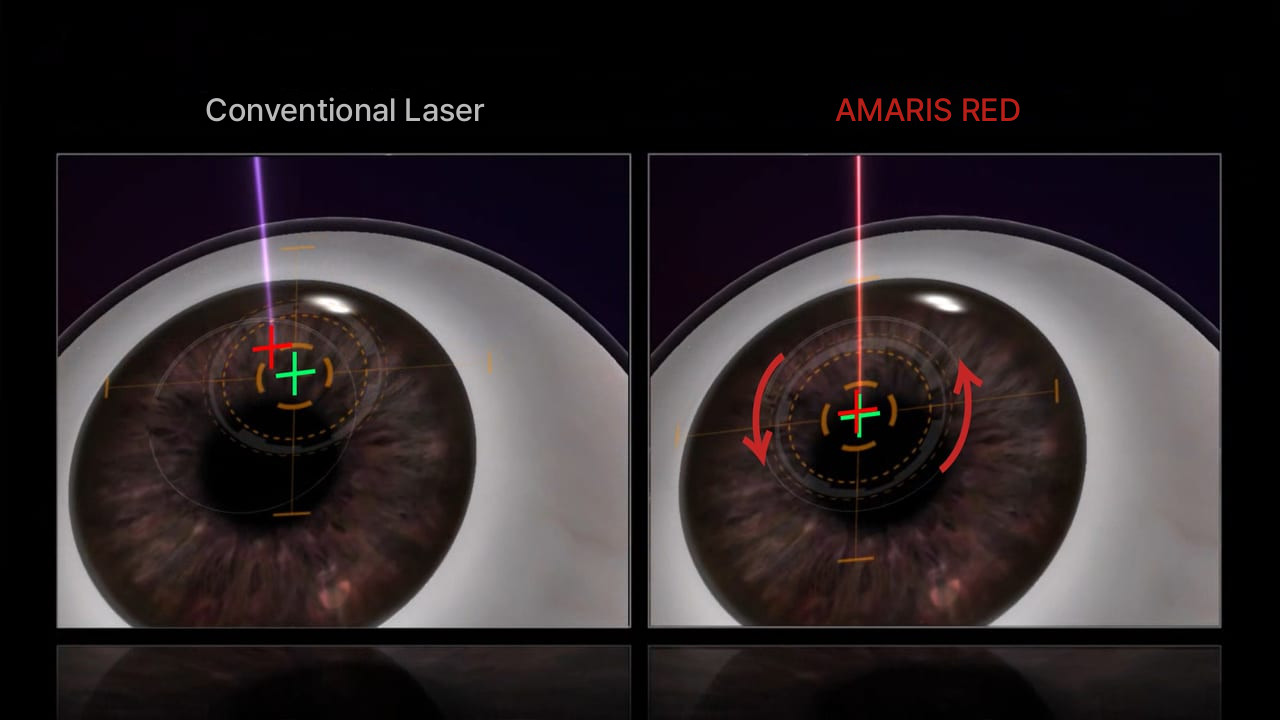
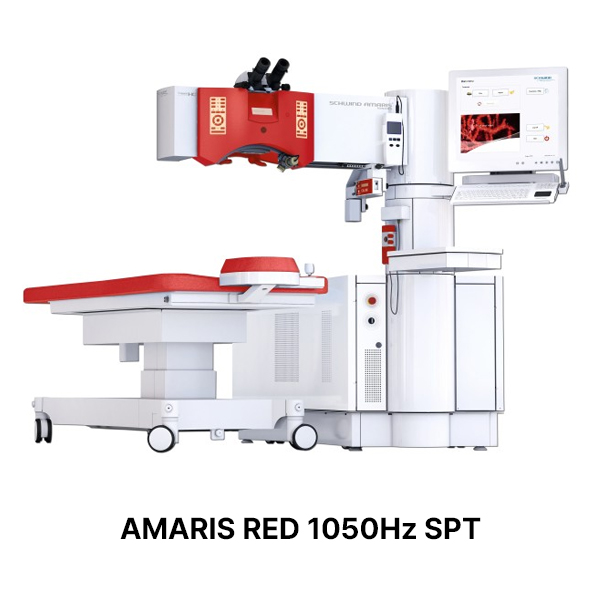
One-Point LASEK is performed with the SCHWIND AMARIS RED excimer laser. The beam size is 0.54 mm, the repetition rate is 1,050 Hz, and it tracks eye movements during surgery.
While the corneal surface epithelium is healing, you may feel foreign-body sensation and stinging, so a bandage contact lens is worn for about 3–5 days. The degree varies by individual.
No. One-Point LASEK is an all-laser LASEK that removes the corneal epithelium with the AMARIS RED excimer laser without a blade or brush.
Those who find glasses or lenses inconvenient, those whose corneas are too thin for LASIK, those who have worn contact lenses for a long time, and those who enjoy strenuous sports can consider it. Whether it is actually suitable is determined after testing corneal thickness and shape and your prescription.
Light walking is fine from the day after surgery. Gym workouts or yoga, where sweat can get into the eyes, are recommended from 1–2 weeks, and sports that can impact the eyes, such as swimming, martial arts, or ball sports, from 1 month. Light resistance training may be resumed within the first week. Recovery speed varies from person to person.
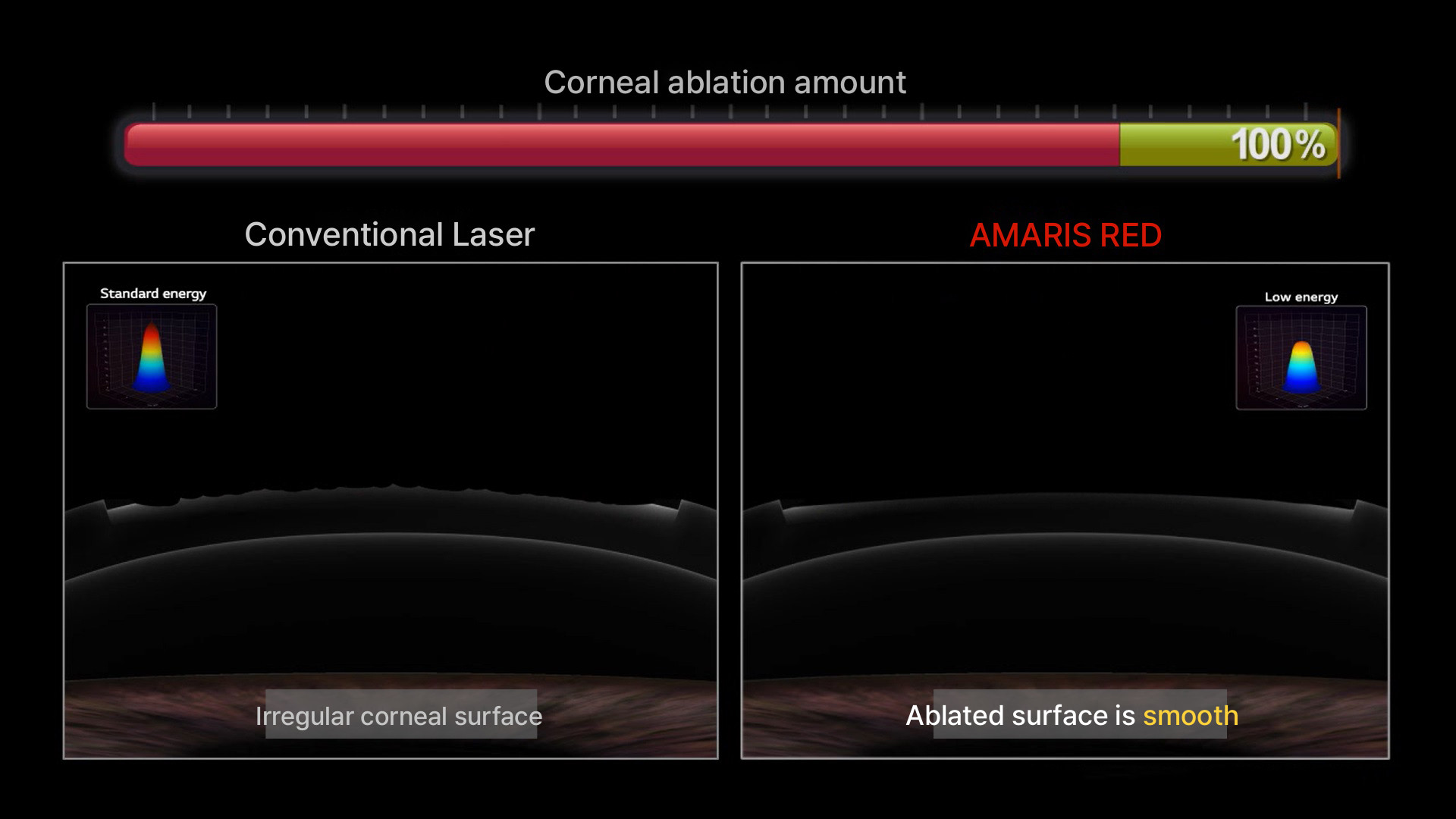
AMARIS RED has an ITEC function that distributes the locations of laser pulses so heat does not concentrate in one spot. It is designed to reduce heat-related damage and postoperative pain, though the degree of discomfort varies by individual.


