Minimal dry eye
Fine-tuned vision correction

Precise laser delivery
Fast visual improvement right after surgery
FAQ
We do not remove it. Signature Presbyopic LASIK leaves the crystalline lens in place and corrects the cornea. Replacing the lens with an artificial lens is Presbyopia & Cataract Surgery.
We examine your near-vision prescription, corneal thickness and shape, and the condition of the crystalline lens to decide on timing. If the near-vision prescription exceeds −1.25 to −1.5 D, we recommend Presbyopic Implantable Lens Surgery, and if you are in your mid-50s or older, we recommend Presbyopia & Cataract Surgery. The exact timing is confirmed by the examination results.
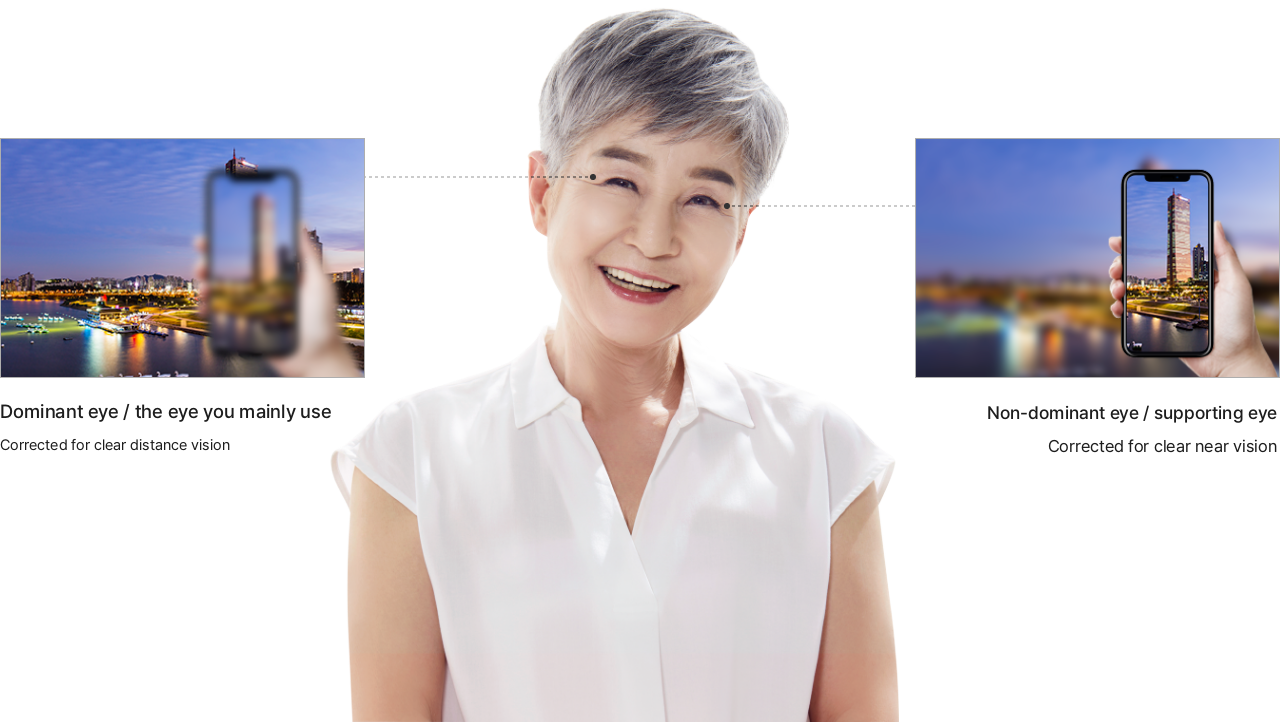
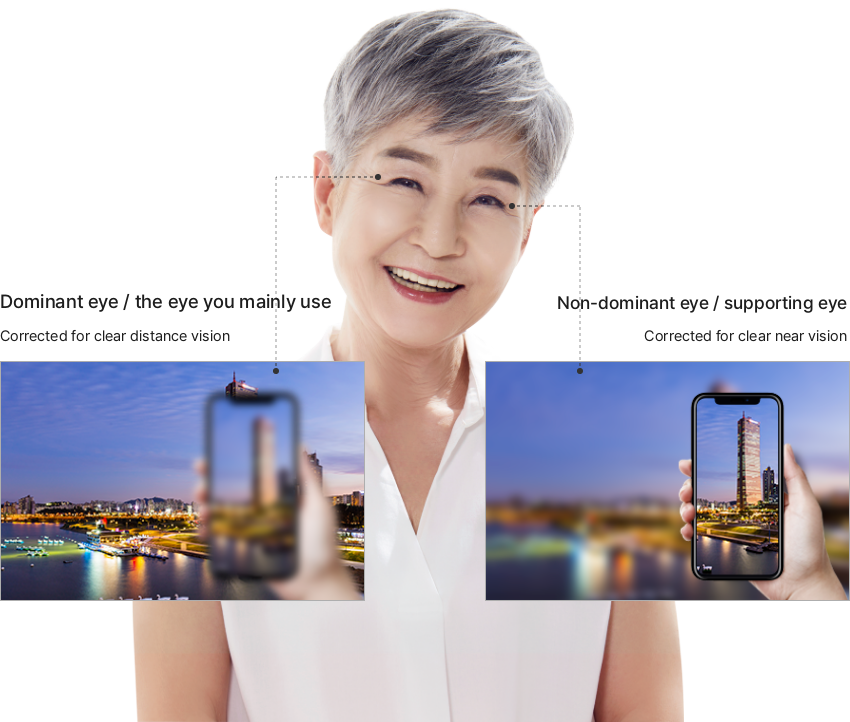
Just as there are right- and left-handed people, the eyes also have one you use more and one you use less. The one you mainly use is the dominant eye; the other is the non-dominant eye.
We set the two eyes to different focal points so you can see both far and near. An adaptation period is needed after surgery, and we check in consultation beforehand whether you can adapt.
If you are in your mid-50s or older, we recommend Presbyopia & Cataract Surgery. The choice between Presbyopic Implantable Lens Surgery and Presbyopia & Cataract Surgery generally shifts around the early to mid-50s.
In your 40s, we first assess your near-vision prescription and cornea. If the near-vision prescription does not exceed −1.25 to −1.5 D and the cornea is suitable, we use Signature Presbyopic LASIK to correct your vision by reshaping the cornea; if a cataract is also progressing, we recommend Presbyopia & Cataract Surgery. The exact decision is confirmed by the examination results.
If the near-vision prescription exceeds −1.25 to −1.5 D, corneal correction alone has limits, so we recommend Presbyopic Implantable Lens Surgery. Below that, if the cornea is suitable, you can proceed with Signature Presbyopic LASIK.
We first look for the cause. Vision can seem reduced due to dry eye or cataract progression, so we do not immediately recommend reoperation; we first check whether treatment is needed.
If your job mainly requires distance vision but you want a correction plan that favors near vision, we do not recommend it. Also, if you have severe dryness or high astigmatism, you may notice more glare or dimness; we check this during the exam. Please tell us in consultation which distances you usually look at for long periods, and we will reflect that in the plan.
We recommend coming with a companion. We do not recommend driving yourself on the day of surgery. When you book, we'll explain how to get here.
The eligibility criteria are the same as for regular LASIK or LASEK. The difference is that we design it to leave some myopia to support near vision in daily life.
We look at how far presbyopia has progressed, the balance between distance and near tasks in your job, and how much you read. If presbyopia is present, we leave enough myopia in one eye to offset the presbyopia so you can see up close; if presbyopia is minimal, we leave about −0.25 to −0.50 D of myopia depending on age.
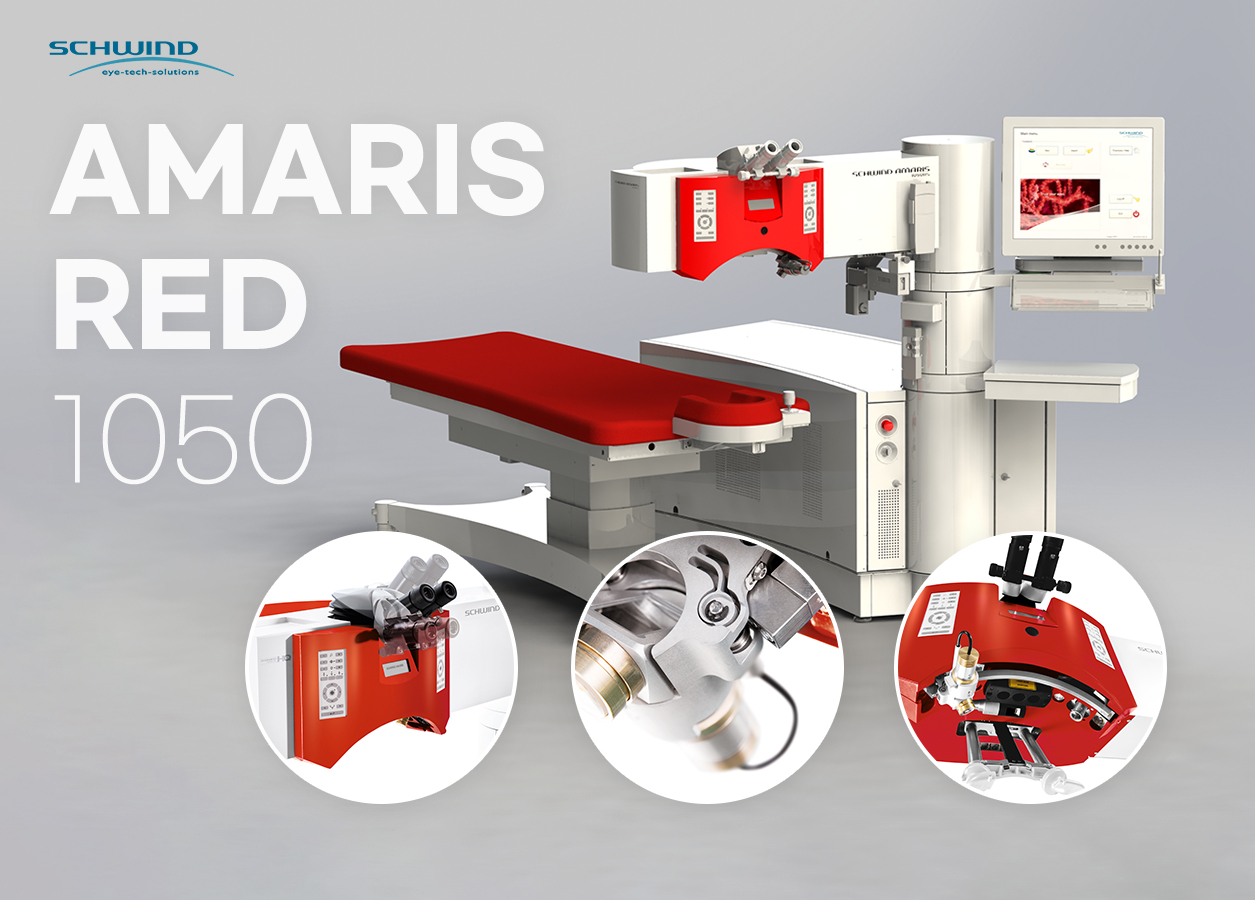
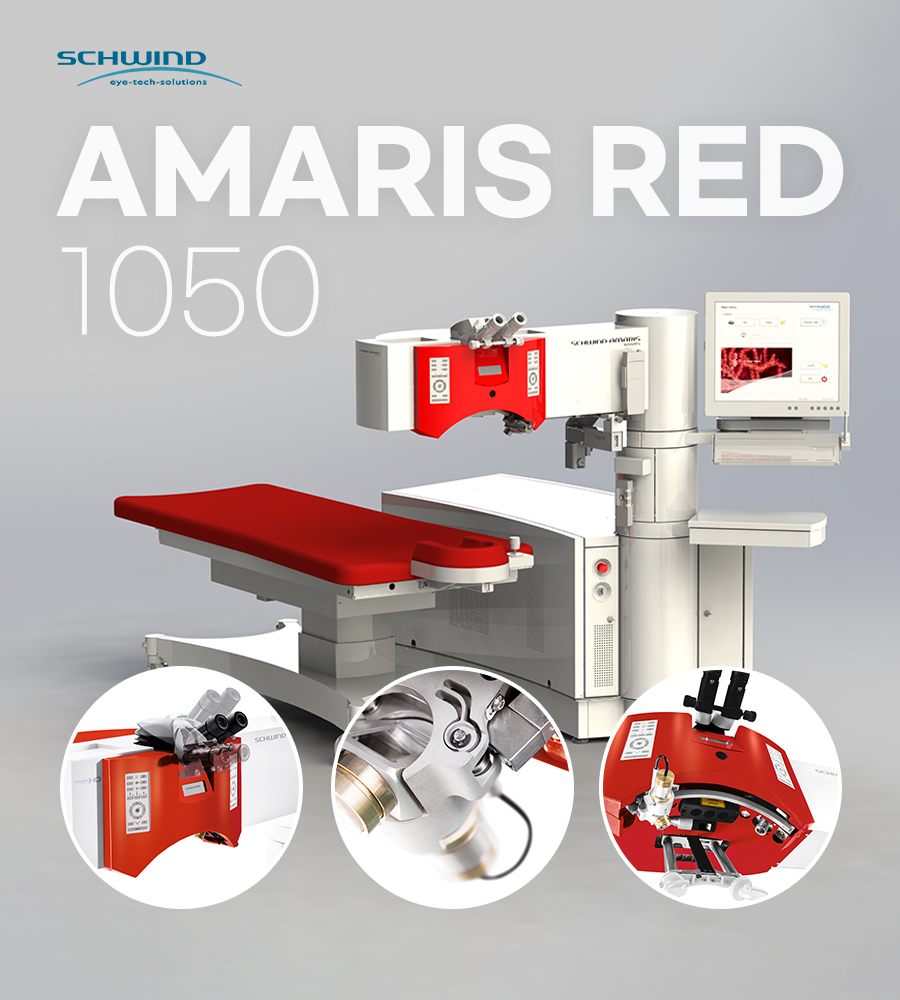
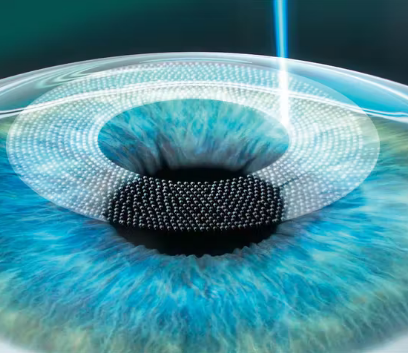
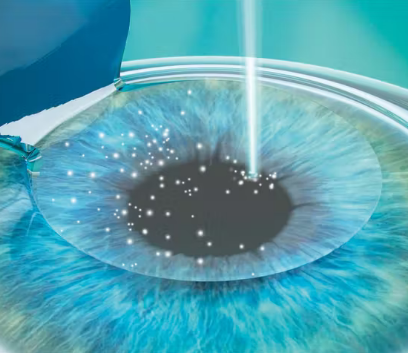
We correct the cornea with the SCHWIND AMARIS RED excimer laser. The laser repetition rate is 1,050 Hz.
Yes. Even if presbyopia is minimal, we leave about −0.25 to −0.50 D of myopia, depending on whether you are in your late 30s or early 40s. If presbyopia has already progressed, we leave enough myopia in one eye to offset the presbyopia and maintain near vision.
You can return to your routine the next day. Vision typically takes 1–3 months to stabilize, and this varies by person.


