2DAY
Conventional LASIK
VS
Safe ATOS
LASIK
FAQ
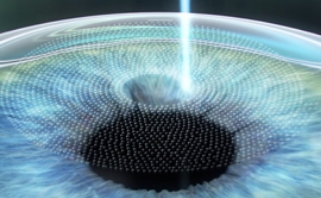
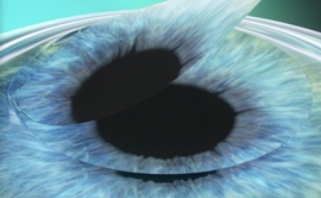
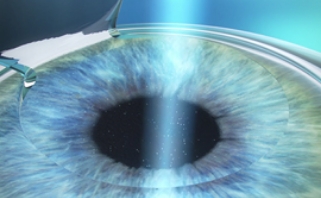
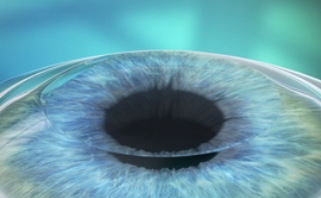
Yes. We create a corneal flap with the ATOS femtosecond laser, lift it, reshape the corneal stroma with an excimer laser, then reposition the flap.
It is performed under topical (local) anesthesia. Surgery usually takes about 10–20 minutes, though this may vary by eye condition, and sedation is not routinely necessary.
This is a common misunderstanding. The two methods differ not in how safe they are, but in where the cornea is reshaped. In Safe ATOS LASIK, a flap is made and lifted, and the stroma beneath is ablated; in LASEK, the epithelium is removed and the layer beneath is reshaped. Which is right depends on corneal thickness and shape, your prescription, and lifestyle.
If the next-day check shows the corneal epithelium is healing well, you may fly from then. Air cabins are very dry, so it is best to bring artificial tears. Recovery speed varies by person; if you have set travel plans, please let us know when you book.
We decide after testing your corneal thickness and topography, prescription, and lifestyle. If the cornea is sufficiently thick, we consider Safe ATOS LASIK, which makes a flap; if it is thin or you do not want a flap, we consider One-Point LASEK, which corrects vision at the corneal surface. We do not decide in advance without testing.
Presbyopia itself does not prevent Safe ATOS LASIK, but if it is progressing, near vision can be uncomfortable after surgery, so we assess both refraction and accommodation. If presbyopia is pronounced, we may guide you to a different correction method instead of LASIK.
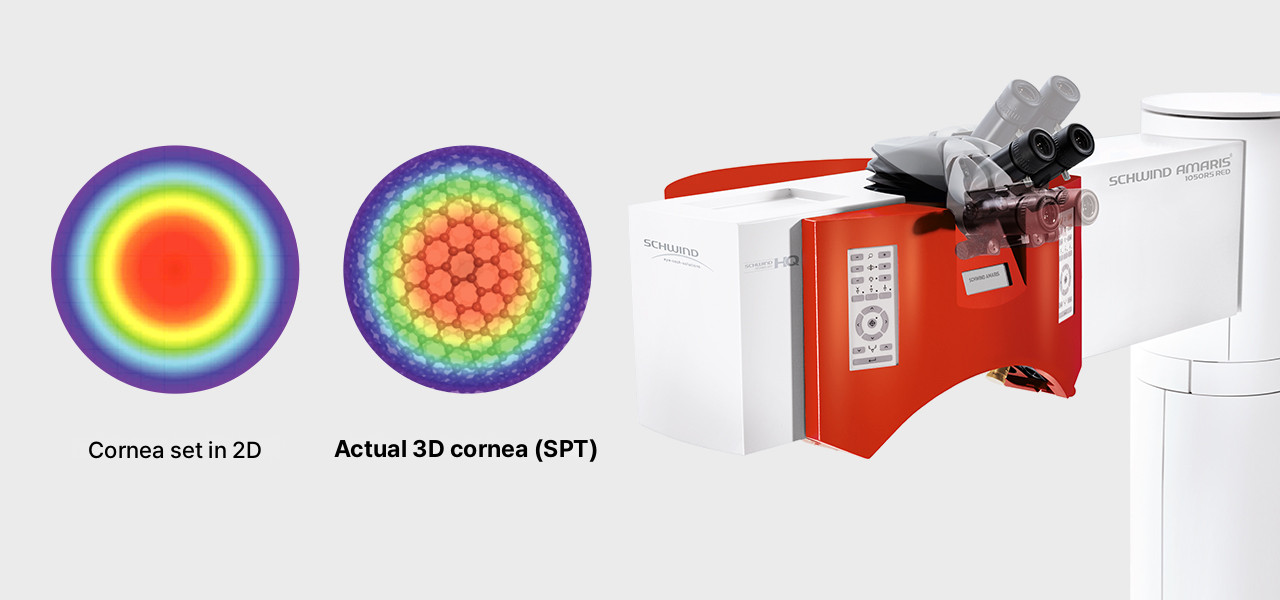
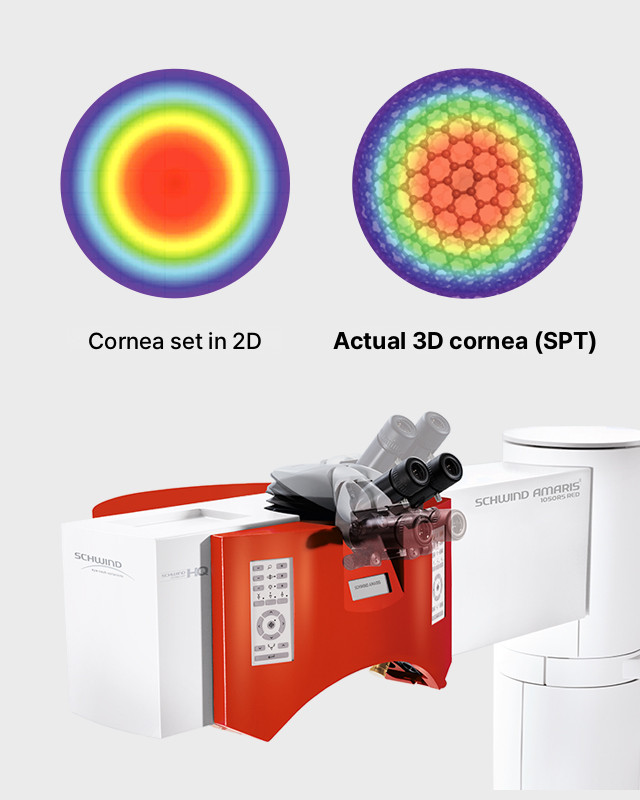
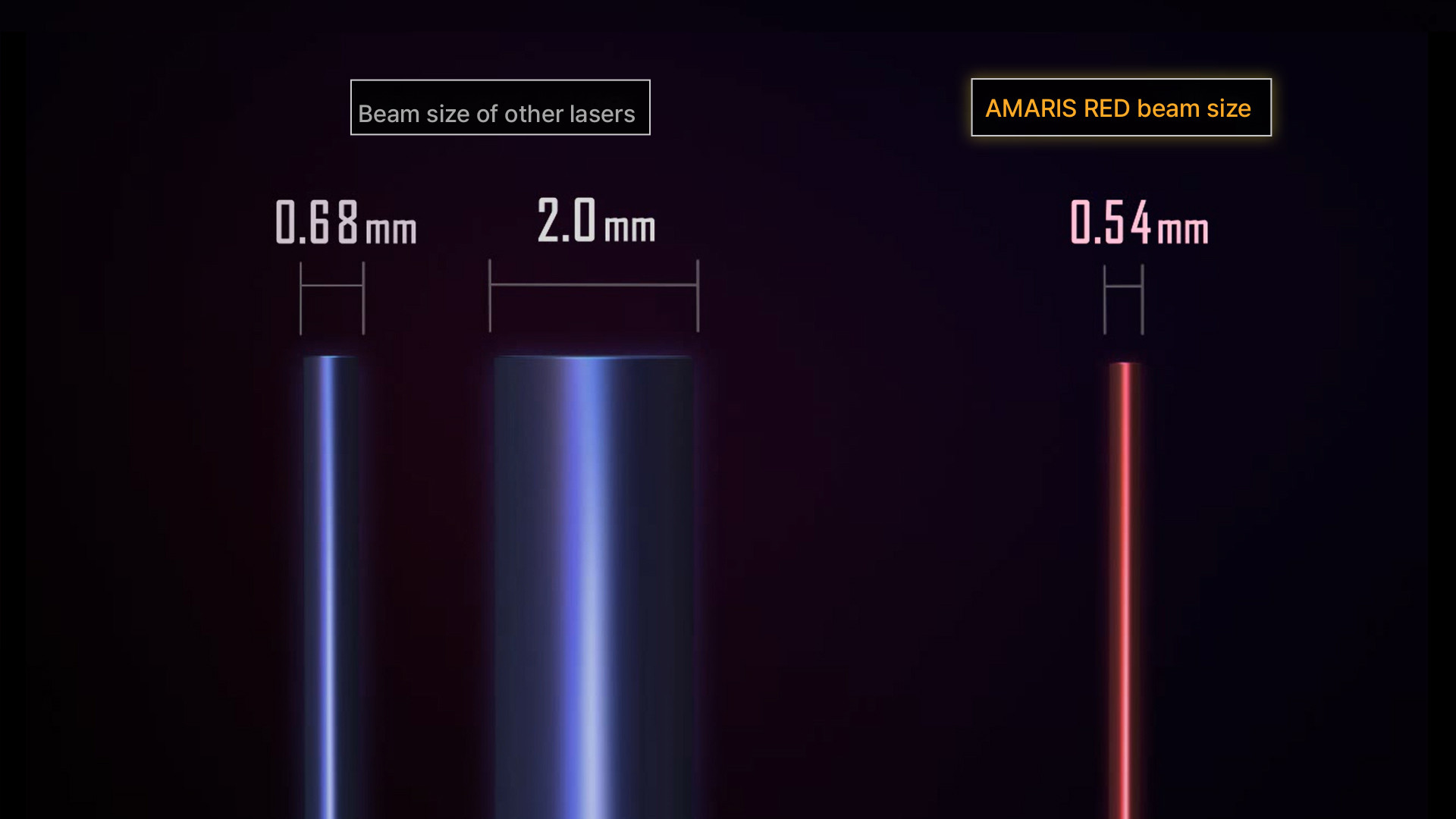
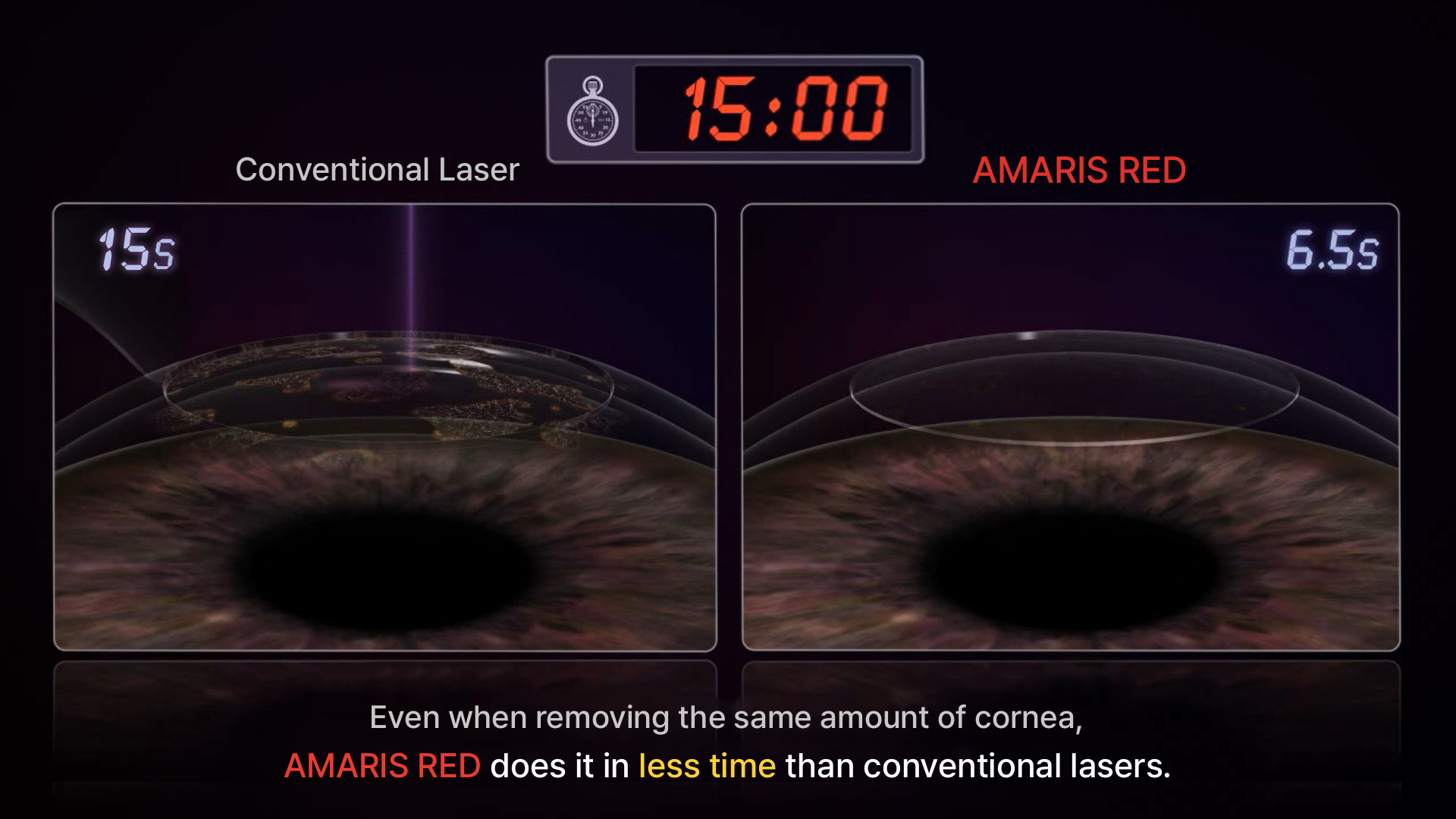
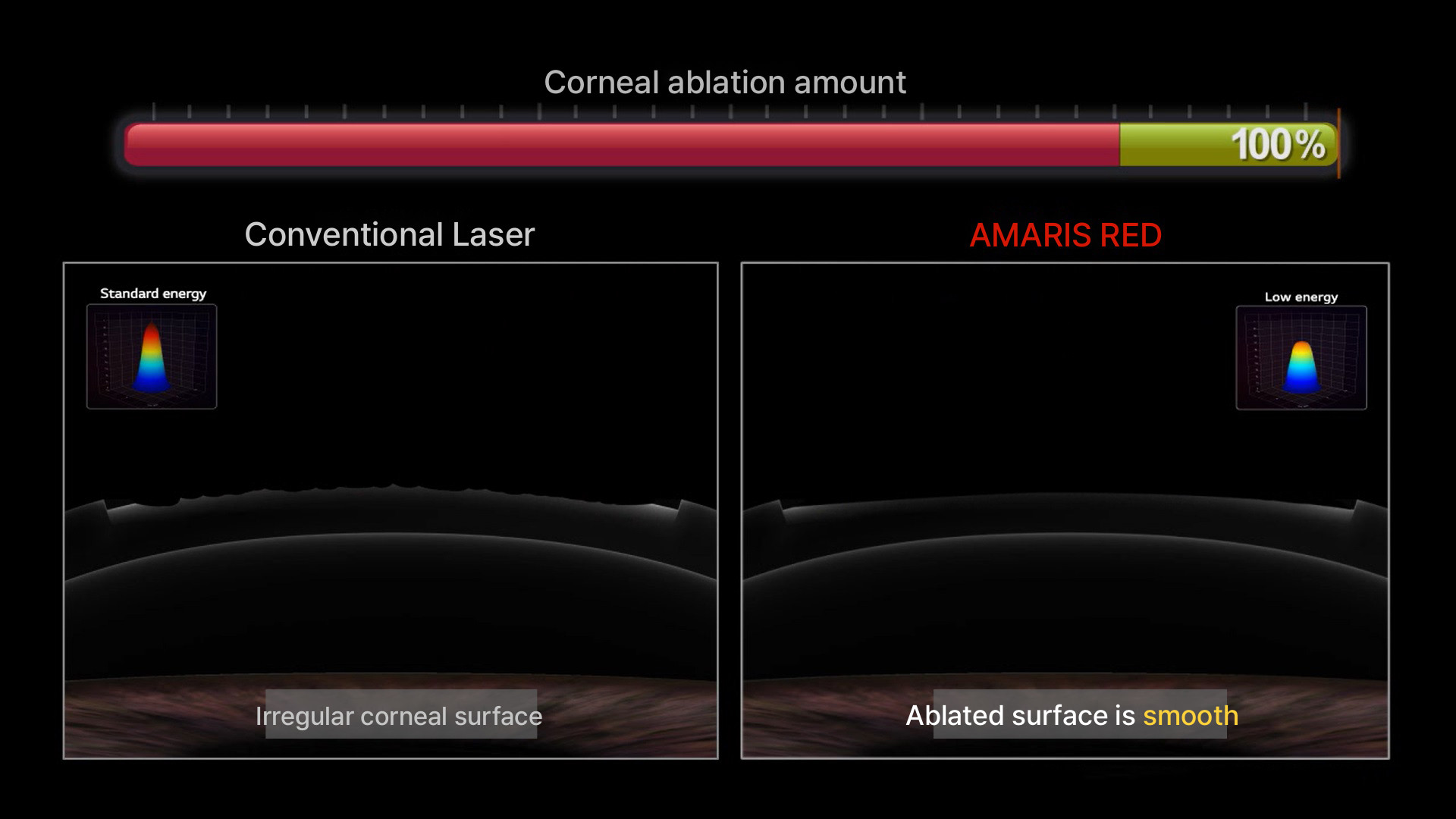
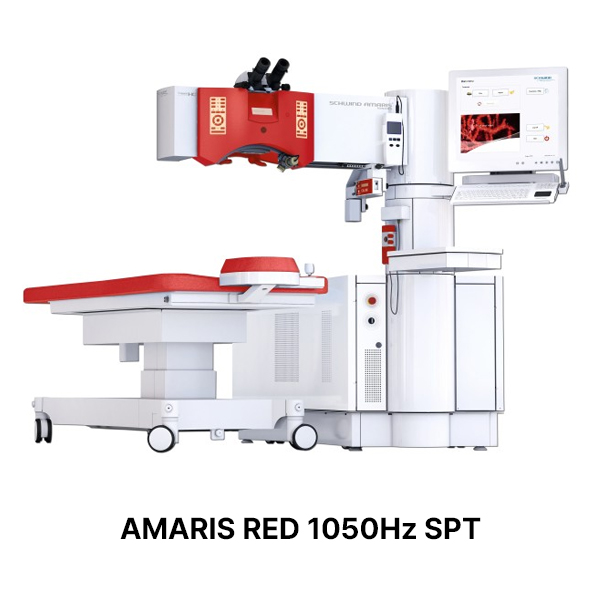
The corneal flap is made with the ATOS femtosecond laser, and the stromal correction is performed with the SCHWIND AMARIS RED excimer laser. The excimer laser beam size is 0.54 mm and the repetition rate is 1,050 Hz.
Smart SMILE LASIK does not create a corneal flap, whereas Safe ATOS LASIK does. Which is right for you is decided after testing your corneal thickness and shape and your prescription.
It can. Presbyopia usually sets in around the mid-50s, so if distance vision is fully corrected with LASIK or LASEK in your mid-40s, near tasks can become uncomfortable. We therefore consider your age and work, and if presbyopia is still mild, we may intentionally leave about -0.25 to -0.50 D of myopia.
Those who find glasses or contacts inconvenient; those concerned about LASEK pain; those without severe myopia; those whose corneas are not too thin; and those who find it hard to take time off work may consider it. The final decision is based on tests of corneal thickness and shape and your prescription.
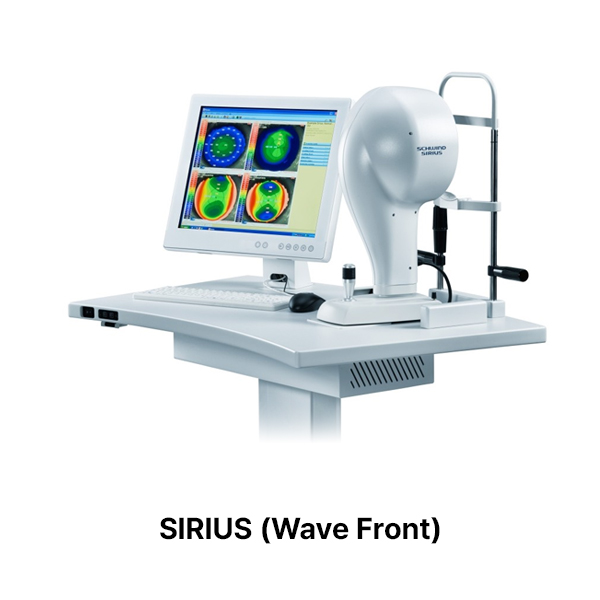
Corneal thickness and corneal shape. With the Sirius, we measure the front and back of the cornea and the thickness to rule out keratoconus, and we repeat the key tests multiple times to narrow the margin of error.
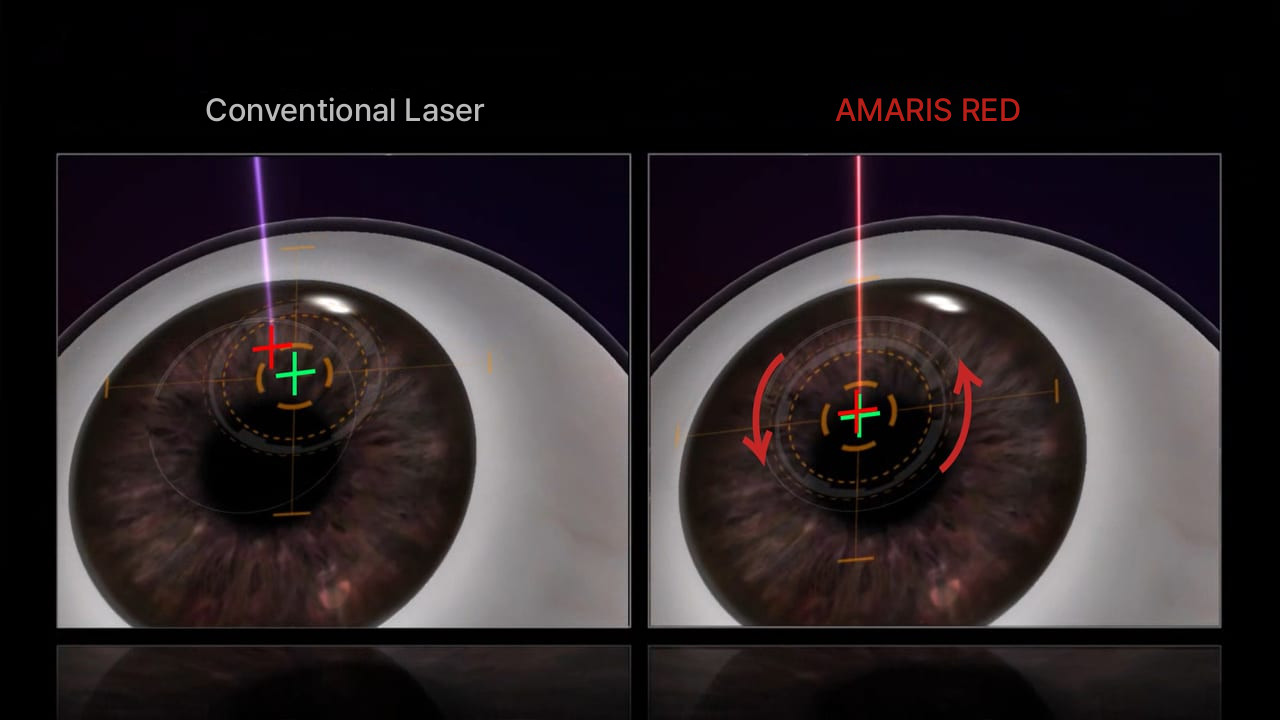
The AMARIS RED eye tracker checks eye position 1,050 times per second while delivering the laser. It measures eye movement in advance and follows it so the response does not lag.
Light drinking is allowed from 2 weeks after surgery, and heavy drinking from 1 month. Alcohol during recovery can cause redness or dryness and slow healing, so it is safer to keep to these periods. Recovery speed varies by person.
The next day, we check corneal status, eye pressure, and early recovery. At 1 week, we assess visual recovery and any inflammation; at 1 month, we confirm refractive stability and recheck vision; and at 3 months, we perform a final visual acuity assessment.
Unlike LASIK that creates the corneal flap with a blade, Safe ATOS LASIK makes the flap with the ATOS femtosecond laser. The vision-correction step after lifting the flap uses an excimer laser in both methods; we use the AMARIS RED. Which method is right is decided based on your test results.


