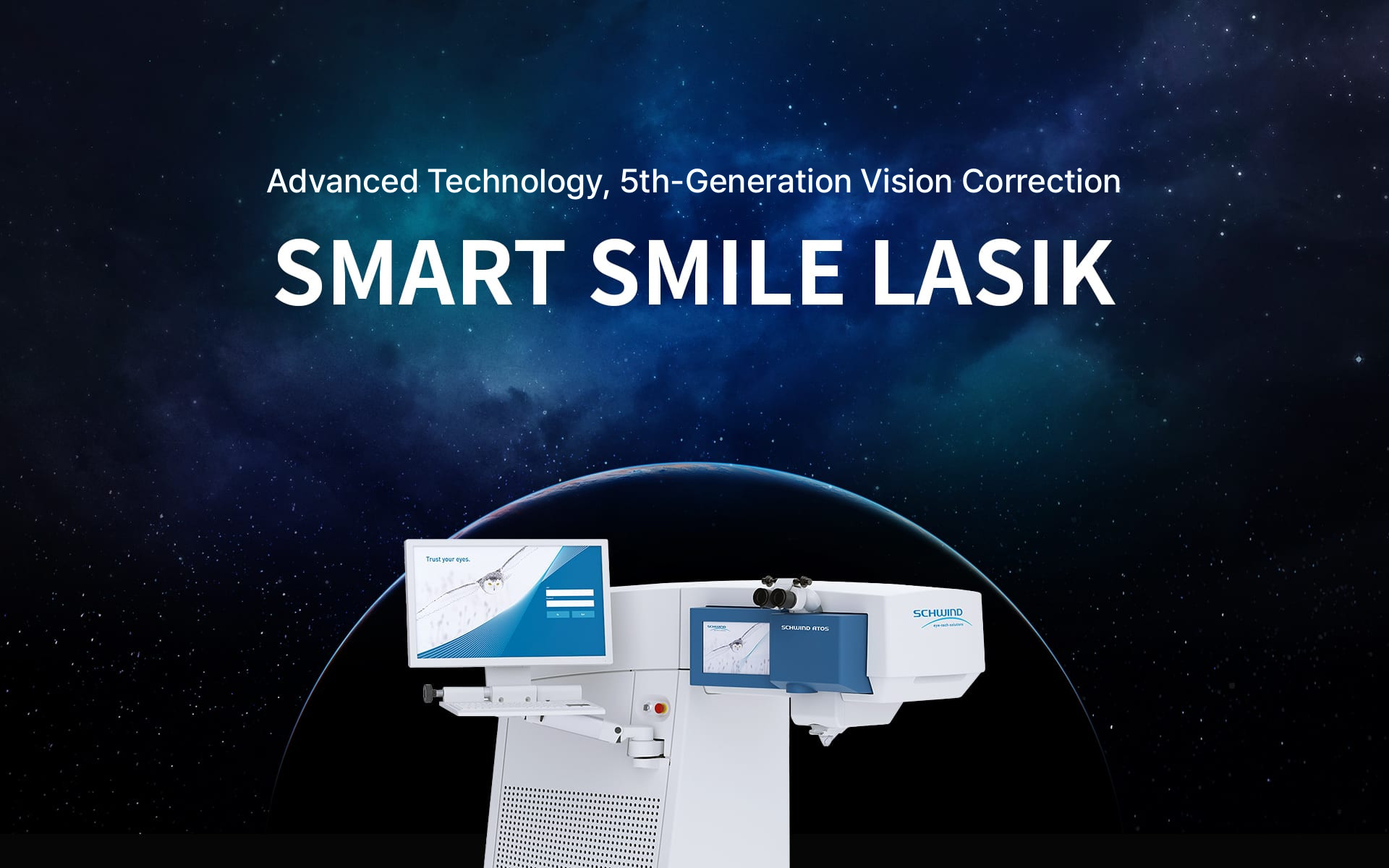

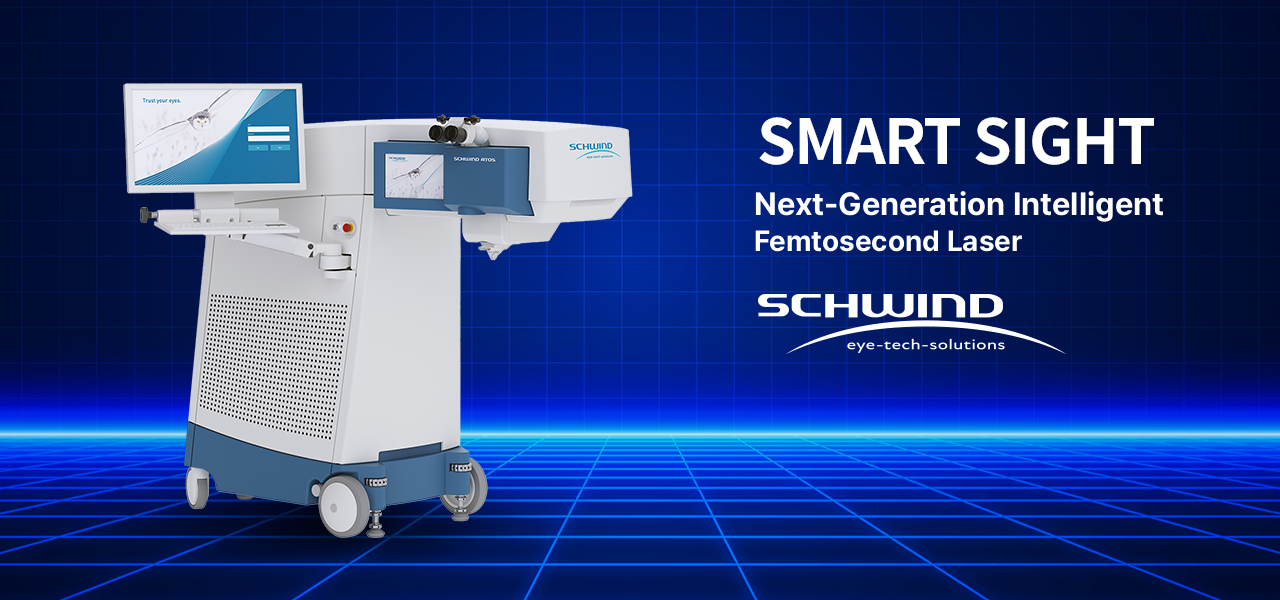
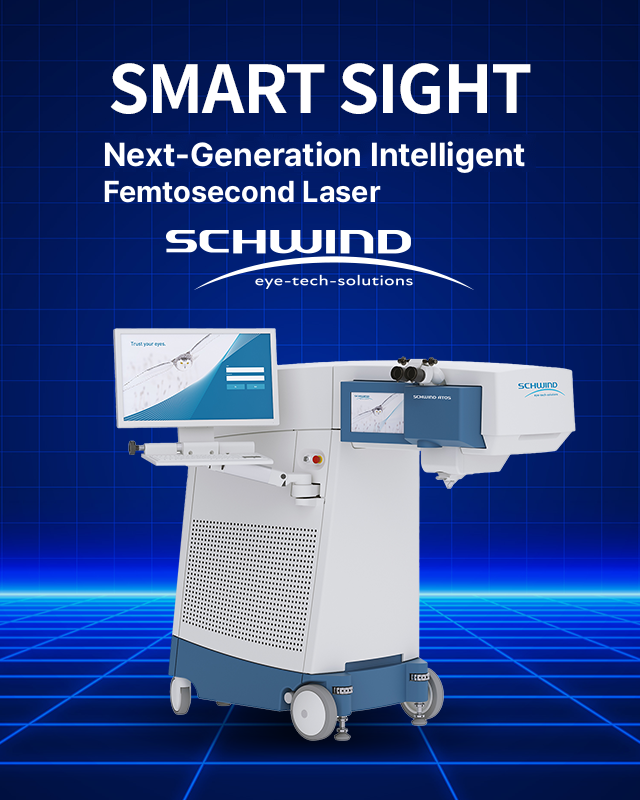
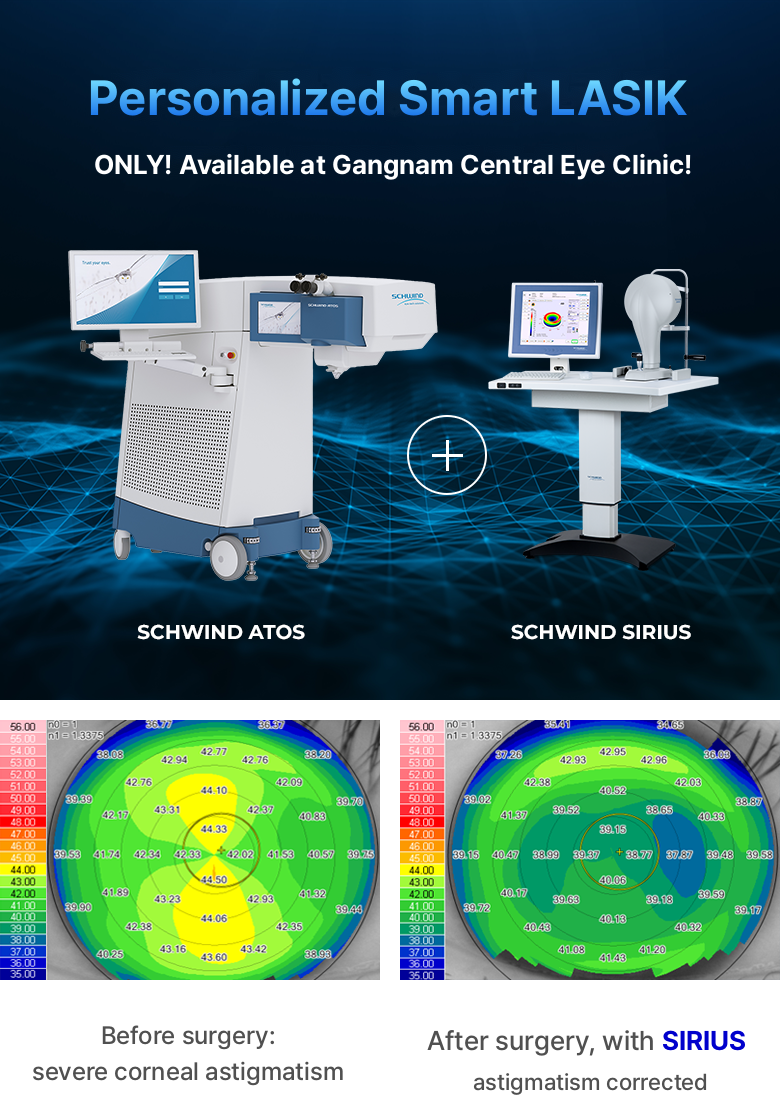
Gangnam Central Eye Clinic × SCHWIND ATOS, Germany
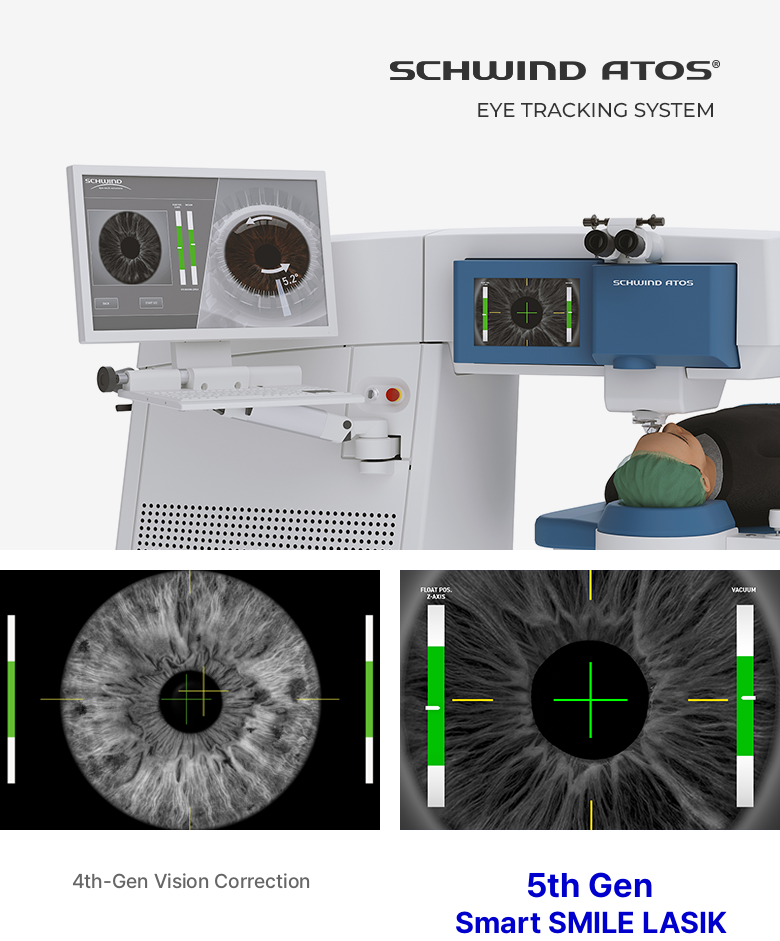
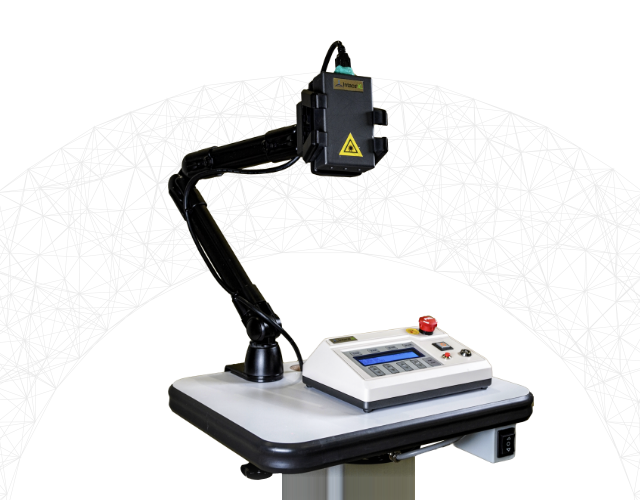
Gangnam Central Eye Clinic’s ATOS
is a vision correction system
that supports careful, precise surgery.








At Gangnam Central Eye Clinic,
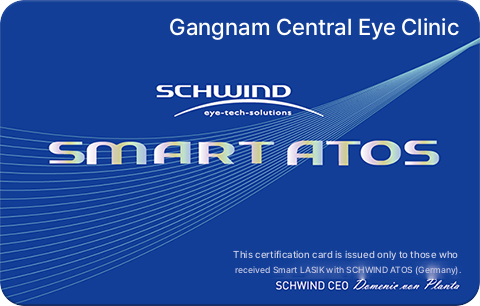
patients who have Smart SMILE LASIK with the SCHWIND ATOS device from Germany
receive an official
Authenticity Card.
FAQ
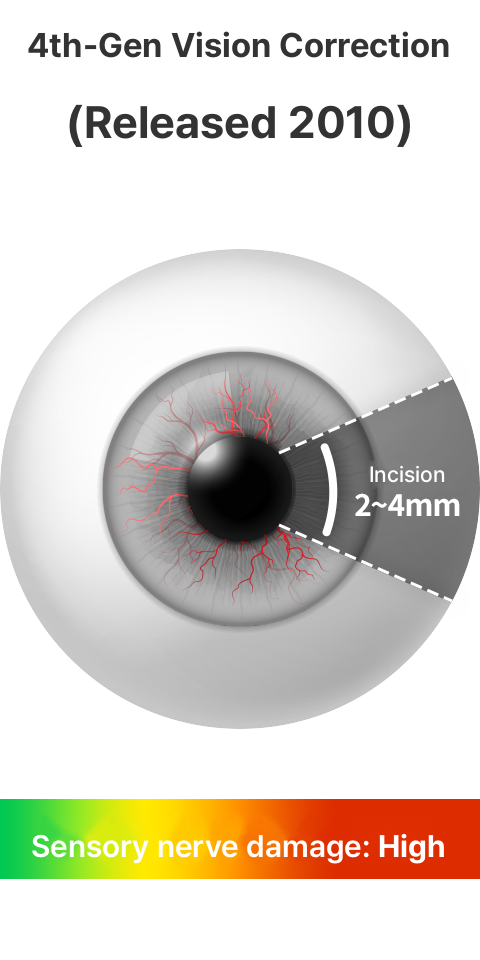
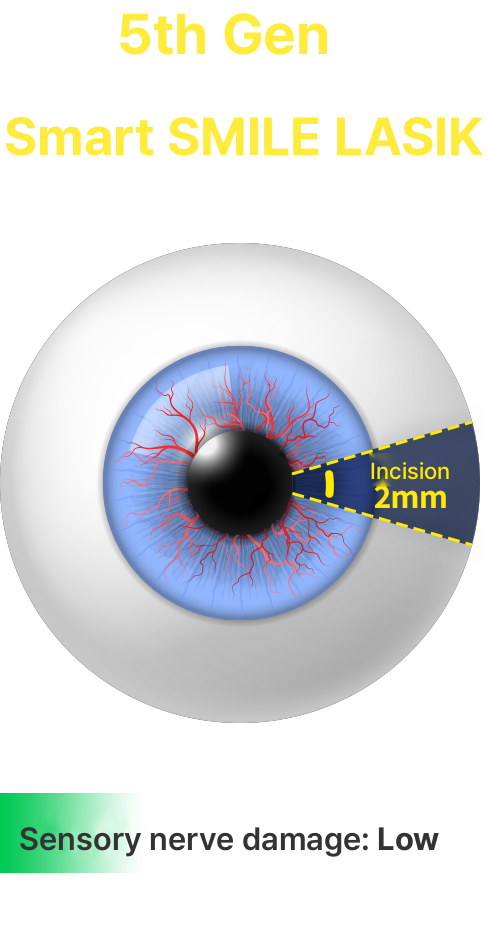
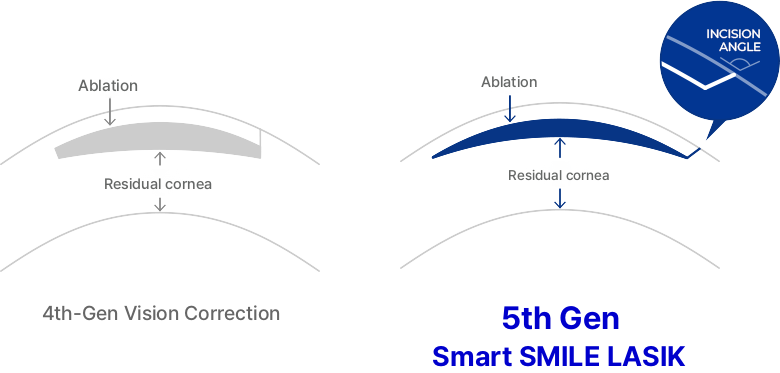
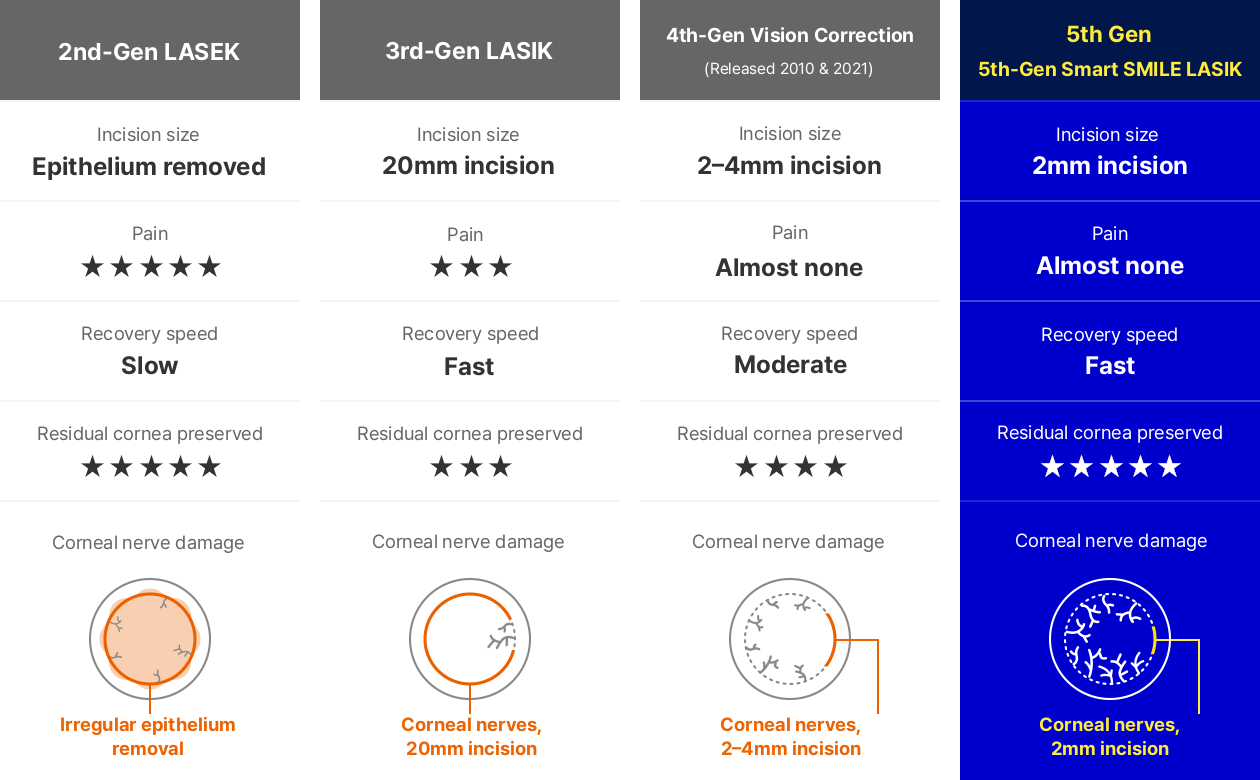
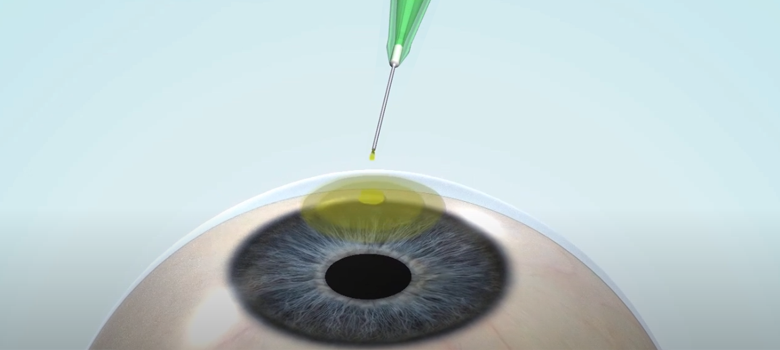
No. It removes the lenticule created in the corneal stroma through a small side incision at the edge of the cornea, so there is no step of lifting a flap.
We do not say that one is better. Corneal thickness and shape, prescription, and intraocular space differ from person to person, so the same method may suit some and not others. We choose within the limits allowed by your test results.
Because each has a different purpose. Vision testing sets a baseline, glare and halo testing looks at night-time symptoms, corneal testing shows which methods are possible, tear film testing sets the treatment order, and retinal testing checks the overall health of the eye. The method cannot be chosen from one category alone.
No. We check corneal thickness and shape, prescription, and the tear film and retina to judge feasibility. If the tests show you are not suitable, we suggest other options or advise against surgery. We cannot tell you if it is possible without test results.
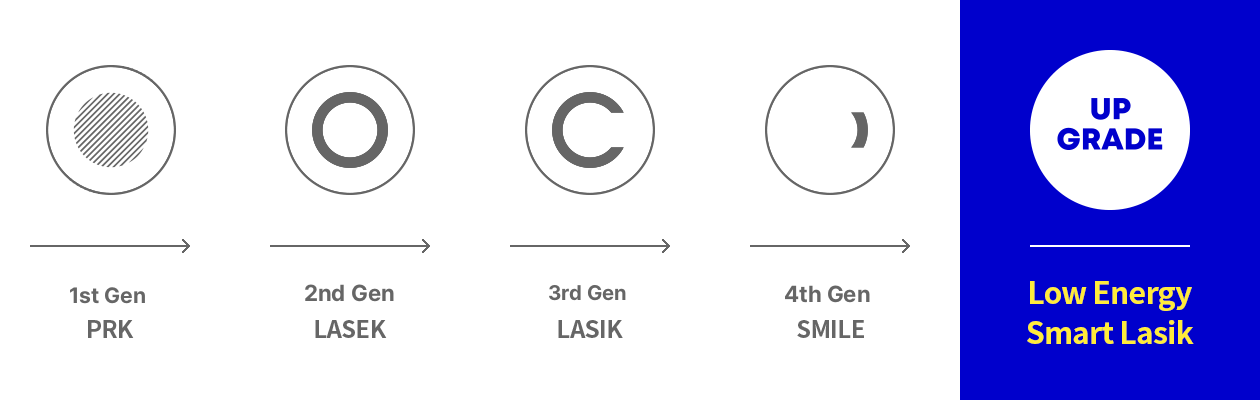
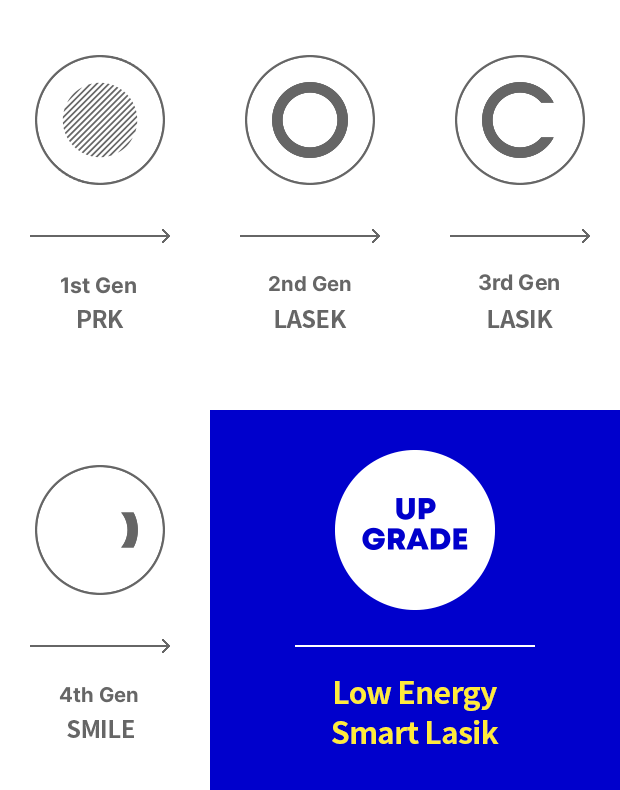
They differ in how the corneal surface is handled. LASEK removes the epithelium and then reshapes the stroma; LASIK creates and lifts a corneal flap, performs correction, and lays it back. Recovery speed, pain, and the thickness margin differ accordingly.
Yes. Testing is not a step toward surgery; it determines which methods are possible and whether now is the right time. Depending on the results, we may not recommend surgery.
The higher the prescription, the more tissue must be removed, so residual corneal thickness becomes the key. We decide based on the value measured in testing.
Procedures that reshape the cornea may not be possible. In that case, we consider placing a lens inside the eye without reshaping the cornea. However, lens implantation also requires the corneal endothelial cell count and anterior chamber depth to meet safety criteria.
It’s better to be tested. Hearing that it’s thin alone does not tell us which methods are ruled out. We need to look together at residual corneal thickness, anterior and posterior corneal shape, and elasticity to make a judgment.
You can resume daily activities from the next day, and the eyes may take about 1 week to 1 month to stabilize. Recovery speed varies by individual.
Dream Lens is an option. It is a special contact lens worn during sleep that flattens the central cornea overnight to reduce refractive power.
Treatment for that comes first. The retinal exam is not only for deciding on vision correction but also for checking the overall health of the eye, and any findings take priority over vision correction.
We decide during consultation after reviewing the detailed test results. We do not choose a procedure before evaluating your eyes.
The five parts are the same, but the purpose differs. Revision-surgery testing focuses on finding the cause of reduced vision.
We first check the tear film. If dryness is significant, we treat it first and may reschedule the surgery.
If tears are insufficient, we treat the tear film first. Severe dryness can cause fluctuating vision and fluctuating measurements. After the tear film stabilizes, we remeasure and decide on the method.
We measure how your pupil size changes with light, including individual variation, because it is linked to glare and halos at night.
It is a card issued to patients who have Smart SMILE LASIK with the SCHWIND ATOS device from Germany, so you can confirm which device was used for your surgery.
If you are in a growth phase and myopia is progressing, we consider Dream Lens first. While your prescription is changing, we do not perform corneal refractive surgery to correct it. We confirm stability by remeasuring at set intervals.


