FAQ
No. We do not remove or replace the implanted intraocular lens, and we make no incision. It is a treatment that uses a laser to create a path for light through the clouded posterior capsule.
We assess your eye health; occupation, lifestyle, medical and family history; the size, tilt, and aging of the lens; and the stage and density of the cataract. The tests performed vary by eye condition and will be explained during your visit.
No. The natural lens removed during cataract surgery does not grow back. What has become cloudy is the posterior capsule, a thin membrane left in place to support the intraocular lens. It is sometimes called a “secondary cataract,” which is why it is easily misunderstood.
We minimize unnecessary tests. Instead, we repeat key tests to confirm results and narrow the margin of error. The goal is not to increase the number of tests.
After your clinic visit, the YAG laser procedure is performed in the laser room and takes under 5 minutes. The time can vary depending on your eyes.
No. If your vision is good for your age and you have no discomfort, we advise waiting. Conversely, if you have glaucoma or are elderly with advanced cataracts, we may recommend surgery first even if your vision seems good.
In a consultation with Dr. Gye Hyeon Pung, Medical Director, we review and explain the results together, and on the spot determine an intraocular lens suited to your eyes and lifestyle.
Because it is done with a laser without opening the eye, most people finish with little discomfort. However, experiences vary, so we do not state categorically that there is no pain.
Corneal status and astigmatism go directly into the intraocular lens power calculation, and pupil size helps determine whether a multifocal lens is appropriate. If the tear film is unstable, dry eye treatment comes first.
No. Blurry vision can also be from dry eye or issues with the retina or optic nerve. We first identify the cause in an exam, then decide on treatment.
Yes. If you have glaucoma with a risk of angle closure, or if you are elderly and the cataract has progressed to an intumescent stage, preventive surgery is needed regardless of visual acuity. We also adjust priorities when astigmatism is high or there are retinal findings.
We check the posterior capsule during follow-up 3 to 6 months after cataract surgery. Whether and when it appears varies by individual.
If the pupil is too small or too large, the focus design of a multifocal lens may not function properly, so we do not recommend it. That is why we check pupil size and also consider a monofocal option.
We recommend avoiding same-day driving because dilation drops can cause light sensitivity. It typically begins to wear off in the afternoon, but the timing varies.
If the tear film is unstable, vision can fluctuate and affect measurements. In that case we treat dry eye first; if you have severe dry eye, such as dry eye associated with Sjögren’s syndrome, treating it takes priority.
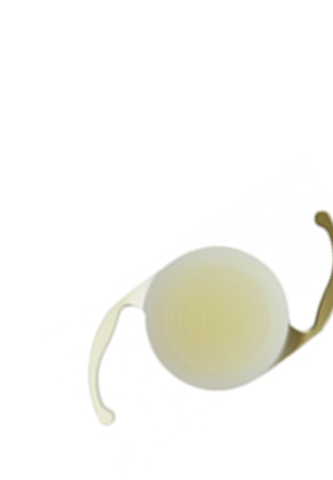
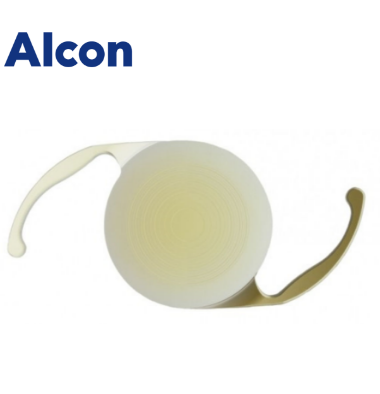
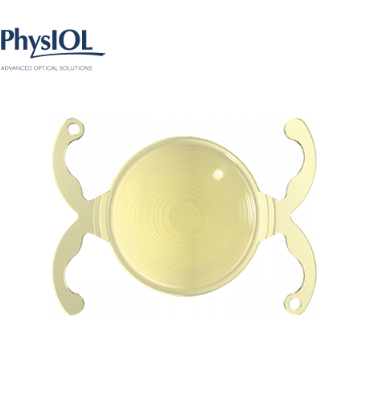
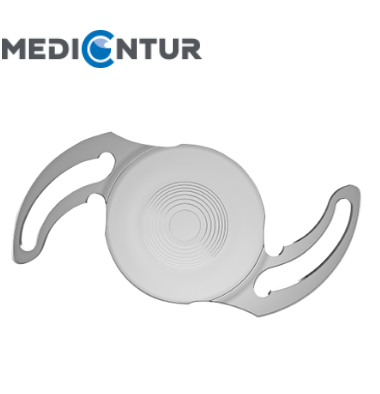
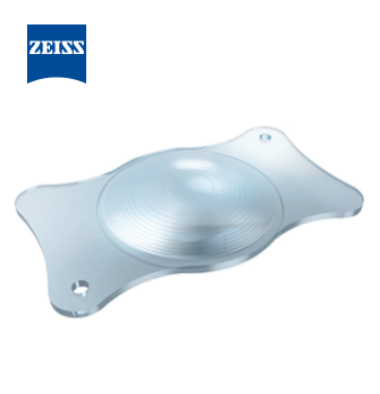
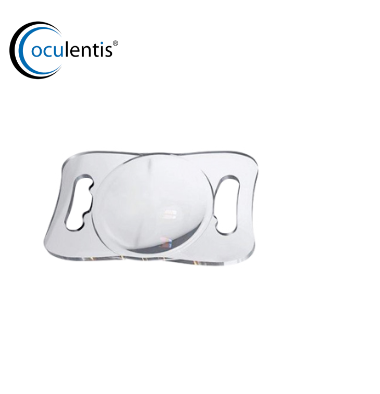
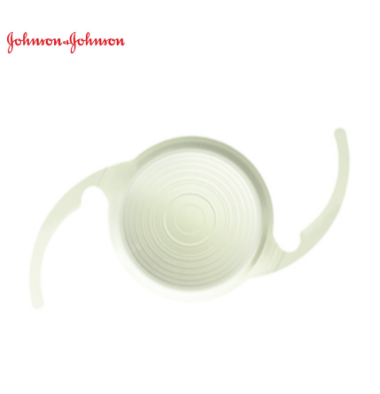
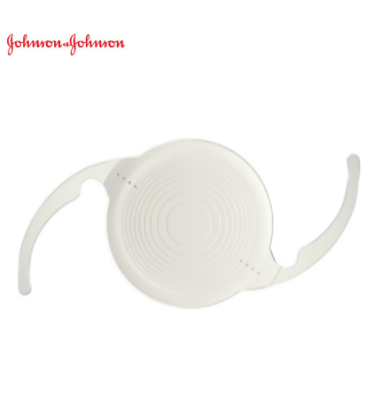
We do not promote a single flagship lens. We choose an intraocular lens after considering corneal condition and astigmatism, pupil size, occupation and hobbies, nighttime activities, reading frequency, and even smartphone use time. After testing, we decide on the spot in a consultation with Dr. Gye Hyeon Pung, Medical Director.