We consider not only your eye condition but also various factors such as lifestyle, hobbies, and occupation,
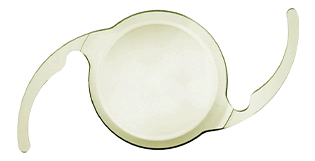
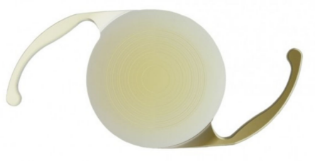
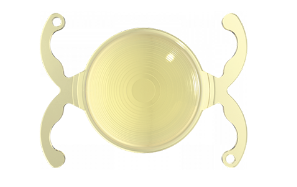
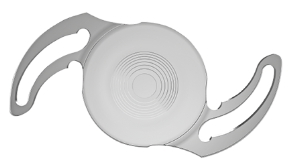
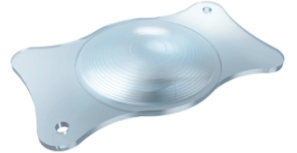
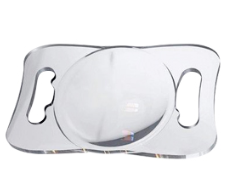
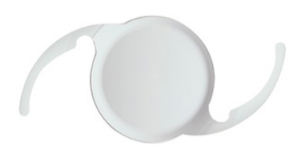
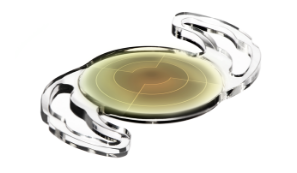
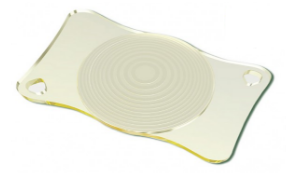
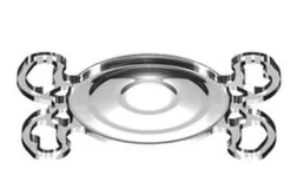
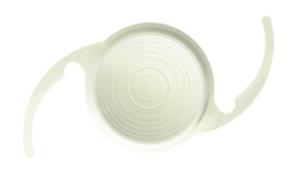
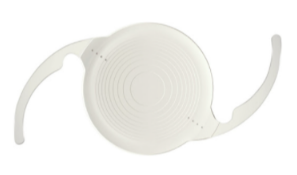
then select and implant the optimal extended-depth-of-focus or multifocal lens.
Separately from cataract surgery, if you want even sharper vision, we can additionally perform custom wavefront
LASEK to enhance clarity and visual quality.






FAQ
We can't say one is better. Eye conditions and lifestyles differ from person to person, so the lens is chosen to fit each patient. We look at corneal condition and astigmatism, pupil size, job and hobbies, nighttime activities, how much you read, and how much you use your phone.
We can't promise that. Each lens has a different focal design, so the comfortable distances differ, and results vary by individual. In consultation, we'll review what changes you can expect at which distances.
If you drive a lot at night or are sensitive to halos/glare, we do not recommend multifocals. If you have severe dry eye before surgery, corneal micro-opacities, or high astigmatism, residual astigmatism may remain and you may notice more halos and dimness; when treatable, we treat first and then operate.
For your safety and to reduce the risk of infection, we usually operate on each eye one or two days apart.
We ask about your eye status—corneal condition, whether you have astigmatism, pupil size—along with your job and hobbies, nighttime activities, how much you read, and how much you use your phone. The distances you actually look at most often determine the choice. We do not choose a lens without testing.
If dry eye is severe, we treat it first. If disease has left subtle corneal haze, treating it before surgery tends to give better results. If astigmatism is high, we build it into the surgical plan.
The day after surgery, we check intraocular pressure, inflammation, and the position of the intraocular lens; at 1 week we check wound healing and early visual recovery. At 1 month we confirm visual stabilization, and between 3 and 6 months we check again for posterior capsule opacification and the retinal condition. Recovery varies by individual.
We recommend monofocal rather than multifocal lenses for people who drive frequently at night for work, have reduced contrast sensitivity from advanced glaucoma, have retinal disease (such as macular degeneration) or optic nerve atrophy, or have unusually small or large pupils. If you have a perfectionist tendency and are extremely sensitive to halos and glare, we also counsel you with particular care.
They're different issues. Presbyopia is a change where the ability to focus on near objects declines, and cataract is a disease in which the crystalline lens becomes cloudy. However, they often occur around the same time, so at the time of cataract surgery we may select an intraocular lens that also takes presbyopia into account.
We check your recovery regularly starting the evening of surgery or from the first week. We continue scheduled follow-ups at 1, 3, and 6 months, and for premium lenses such as multifocals, we monitor satisfaction more closely.
Dr. 기현주 treats glaucoma as well as presbyopia and cataracts, so even when both need attention, you can be cared for at one clinic. If glaucoma is advanced, we take that into account when choosing the intraocular lens.
The same doctor personally takes care of you from testing and surgery through regular follow-up visits. The operating room is monitored by CCTV.
On Tuesdays and Thursdays, we have evening hours until 7:30 p.m. Patients and caregivers who can't visit during weekday daytime hours can use these slots.
The procedure itself is brief, but preparation and checks add time to your visit. Hospitalization is not required. After surgery, use your eye drops at the prescribed intervals and return at the instructed times for follow-up.


