


FAQ
A single procedure that replaces the clouded lens with a cataract surgery lens can correct presbyopia and cataract together. Which lens can be used depends on the condition of the cornea and retina.
It is not decided by the degree of clouding alone. If your distance and near vision are reasonable for your age and you do not feel inconvenienced in daily life, you can still wait. However, if there is glaucoma (risk of angle closure) or the cataract is severe and at risk of becoming intumescent, we recommend preventive surgery even if vision is good.
We plan astigmatism correction by linking anterior and posterior corneal surface data. Specialized corneal incisions may also be used. The amount of correction depends on the condition of the eye.
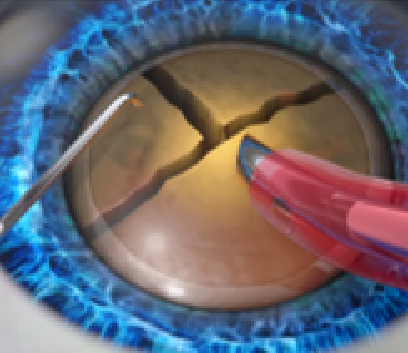
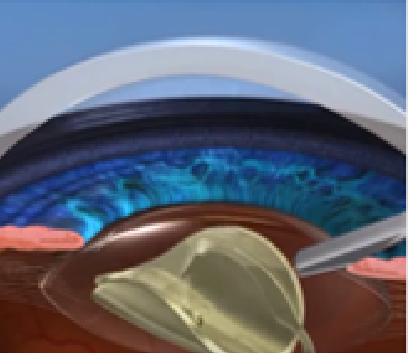
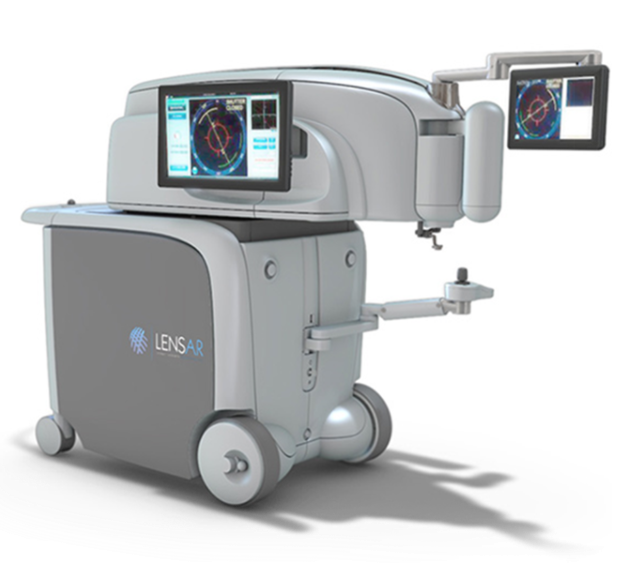
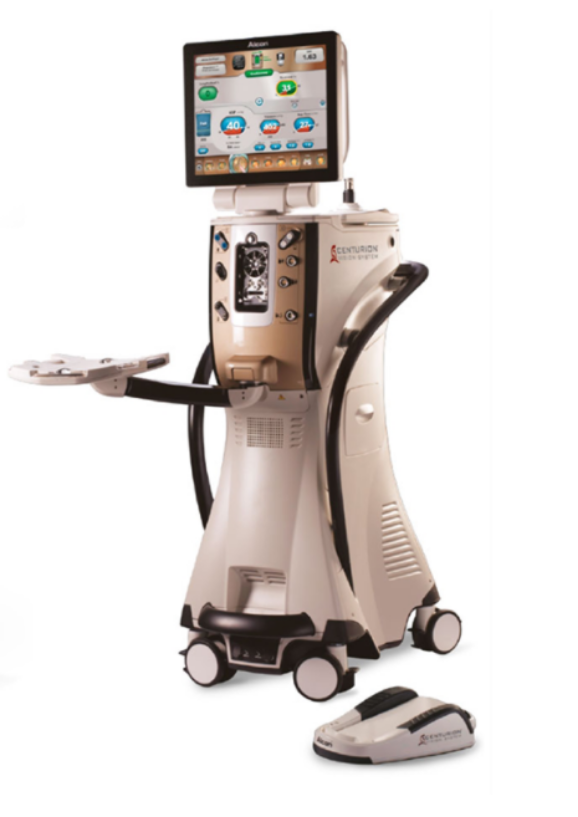
LENSAR performs the corneal incision and lens nucleus fragmentation with a laser, without ultrasound. CENTURION is used alongside it for the lens aspiration and removal steps.
Light daily activities are possible from the day after surgery, and it takes about 2–4 weeks for the eye to settle. Recovery speed varies by individual.
Our main lens is Johnson & Johnson’s TECNIS Odyssey, and we also offer TECNIS Synergy, TECNIS PureSee, TECNIS Eyhance and PanOptix. We choose after reviewing the distances you use most, your lifestyle, and the condition of your cornea and retina.
We use equipment designed to automatically detect intraocular pressure during surgery and maintain an appropriate pressure. However, how it feels varies from person to person.
We have a separate page on presbyopia and cataract revision surgery. We first find the cause of the decreased vision, then determine whether it is the right time for revision.
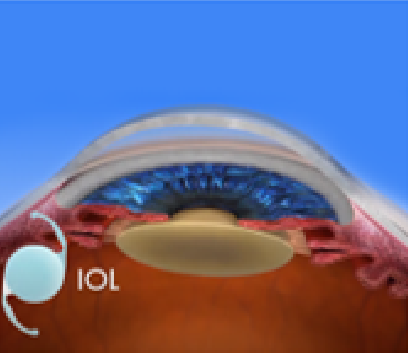
Yes. An intraocular lens is implanted in the place of the removed clouded lens. Without an intraocular lens, the focusing function is lost and vision will not be corrected. We decide among multifocal, monofocal, etc., together based on test results and lifestyle.
If a retinal disease such as macular degeneration has progressed, we recommend a monofocal lens rather than a multifocal. Because multifocal designs split the focus, if the retinal condition is not good, the image may be less clear. The exact decision is made after checking test results.
The Medical Director personally performs and manages the entire process before and after surgery.
We decide based on the status of the eyes and the course of recovery. We may operate on one eye first and, after checking the progress, proceed with the other. It varies with the exam results, and we decide together during the consultation.
If you have a chronic condition, we first check the retina and optic nerve. Diabetes and high blood pressure can affect the retina, so we review them in the detailed examination, and if there are findings, we may guide you to treatment for that first. We can't tell you whether surgery is possible until we have your test results.
It depends on the lens type and the condition of the eyes. Monofocal lenses focus at one distance, so glasses may be needed at other distances. We will guide you after reviewing exam results and lifestyle.
We address those findings first. Because the condition of the retina and optic nerve determines how well you will see after surgery, any findings are confirmed with a fundus exam and detailed OCT, and then we re-plan the order of care. If the tear film is unstable, we treat dry eye first and then re-measure.


