





Not for everyone. Multifocal and other presbyopia-correcting lenses distribute light to support more than one viewing range and may reduce glasses use, while monofocal lenses usually prioritize one target distance. The trade-off should be discussed in relation to night vision, contrast, eye disease, and residual prescription.
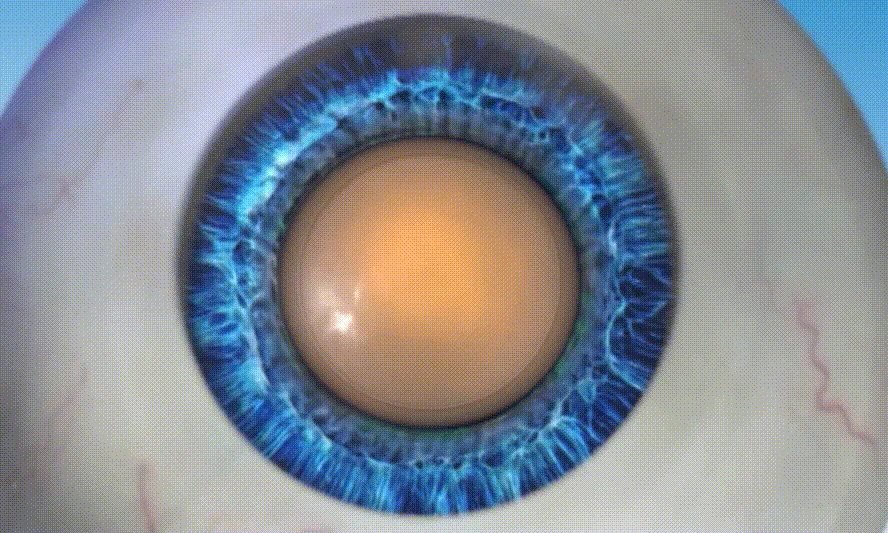
Start by mapping the distances you actually use
Near, intermediate, and distance vision are not abstract labels. Near may mean a phone or book; intermediate may mean a laptop, kitchen counter, or dashboard; distance may mean television, signs, and driving. Measure your usual working distances and list the tasks you most want to perform without glasses.
Also rank low-light activities. A person who drives at night several times a week may weigh halos, glare, and contrast differently from someone whose main goal is close reading in good light.
- Phone and book distance
- Laptop and desktop-monitor distance
- Cooking, music, craft, or instrument distance
- Daytime and nighttime driving frequency
- Tolerance for occasional reading or distance glasses
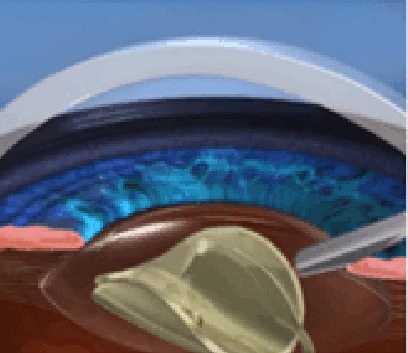
How do common cataract-lens categories differ?
Cataract surgery removes the cloudy natural lens and replaces it with an artificial intraocular lens. A monofocal lens is usually set for one primary range. Toric designs address eligible regular corneal astigmatism. Multifocal, trifocal, and extended-depth-of-focus designs aim to broaden functional vision, but their optical profiles and trade-offs differ.
Product families should not be treated as identical simply because they share a marketing category. The surgeon should explain the exact model, target refraction, expected glasses use, and the evidence or labeling relevant to that lens.
| Lens approach | Typical goal | Points to discuss |
|---|---|---|
| Monofocal | One primary focal range | Which distance is targeted and where glasses are expected |
| Toric monofocal | Primary range plus eligible corneal-astigmatism reduction | Regularity, axis measurements, rotation risk |
| Multifocal or trifocal | Multiple focal ranges | Halos, glare, contrast, near target, residual prescription |
| Extended depth of focus | Broader distance-to-intermediate range | Near-glasses expectations and optical trade-offs |
| Monovision strategy | Different targets between eyes | Dominance, adaptation, depth perception, trial when possible |
Which examinations can limit or change the choice?
The lens must be chosen in the context of corneal shape and astigmatism, ocular-surface stability, pupil behavior, macular and retinal health, optic-nerve status, and previous refractive surgery. Unstable dry eye can reduce the repeatability of measurements used in lens-power calculations.
A premium label cannot overcome reduced visual potential from another eye condition. If the macula, cornea, or optic nerve is compromised, a different optical strategy may give a more predictable balance.
| Examination | Decision it informs |
|---|---|
| Biometry | IOL power and predicted refractive target |
| Corneal topography | Astigmatism amount, axis, and regularity |
| Ocular-surface assessment | Measurement reliability and symptom risk |
| Macular OCT or retinal exam | Visual potential and retinal limitations |
| Optic-nerve and pressure assessment | Glaucoma risk and contrast considerations |
| History of LASIK or PRK | Calculation method and residual-error discussion |
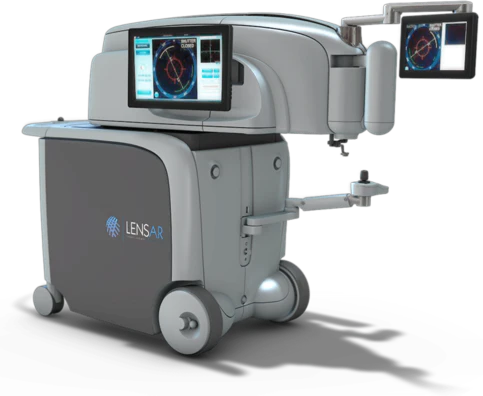
What expectations should be written down before surgery?
Write down the target for each eye, the distances expected to be most functional without glasses, the situations where glasses may still help, and the plan if residual astigmatism or refractive error remains. Ask how glare, halos, and low-contrast vision are discussed for the exact lens.
If only one eye is being operated on, ask how the new target will interact with the other eye. If both eyes have cataracts, timing and target planning may be staged rather than decided as one undifferentiated package.
A good lens consultation ends with a shared visual goal, not simply a product name.
When should cataract surgery be considered?
The National Eye Institute explains that surgery is generally considered when cataract-related vision loss interferes with activities such as reading, driving, or watching television. Not every early cataract requires immediate surgery.
Sudden loss of vision, severe pain, a very red eye, many new floaters, flashes, or a curtain-like shadow should not be assumed to be routine cataract progression and requires prompt evaluation.
Seek urgent eye care for sudden vision loss, severe pain, marked redness, flashes, many new floaters, or a curtain-like shadow.
Frequently asked questions
Will a multifocal cataract lens eliminate glasses?
It may reduce glasses dependence, but no lens guarantees glasses-free vision in every situation. Residual prescription, lighting, task distance, eye disease, and adaptation all matter.
Do multifocal lenses cause halos?
Some patients notice halos, glare, or starbursts, particularly in low light. The frequency and severity vary by lens design and individual factors, so discuss the exact model and your night-driving needs.
Can I have a multifocal lens if I have astigmatism?
Some presbyopia-correcting lenses have toric versions, but candidacy depends on the amount and regularity of corneal astigmatism, measurement consistency, and overall eye health.
Which lens is best for computer work?
The answer depends on your actual monitor distance, near-vision needs, distance target, and tolerance for glasses. Bring those distances to the consultation.
Is the newest lens automatically the best choice?
No. Availability, regulatory status, optical design, surgeon assessment, and compatibility with your cornea, retina, optic nerve, and lifestyle are more important than release date alone.
Medical references
This article was checked against public guidance from medical authorities and professional organizations.
Medical information standards
This article was prepared from publicly available ophthalmology guidance and the clinic's examination process. A diagnosis or treatment plan can only be made after an individual eye examination and consultation.
- Clinic director: Pung GyeHyeon, MD · Ophthalmologist
- Organization: Gangnam Central Eye Clinic · Seoul, Korea
- Published / last updated: 2026-09-13 / 2026-09-13
This article is general medical information and is not a substitute for personal diagnosis or treatment. Seek prompt eye care for sudden vision loss, severe pain, marked redness, flashes, or a new curtain-like shadow.