





Clinics may package the preoperative exam, treatment of both eyes, medicines, postoperative visits, and enhancement policies differently. A low headline number may not represent the final care pathway, and a higher number does not automatically mean better care.
What should be itemized in a SMILE surgery quote?
Ask for a written quote that clearly states whether it is per eye or for both eyes and how long it remains valid. The clinic should explain which parts are fixed and which can change after examination.
Do not use price as a substitute for candidacy. If corneal or retinal findings make lenticule extraction unsuitable, the appropriate choice may be another procedure or no surgery, even if a promotional package was available.
| Cost component | Questions to ask | Why it matters |
|---|---|---|
| Preoperative testing | Which corneal, tear-film, pressure, and retinal tests are included? | Repeat testing may be needed when measurements are unstable |
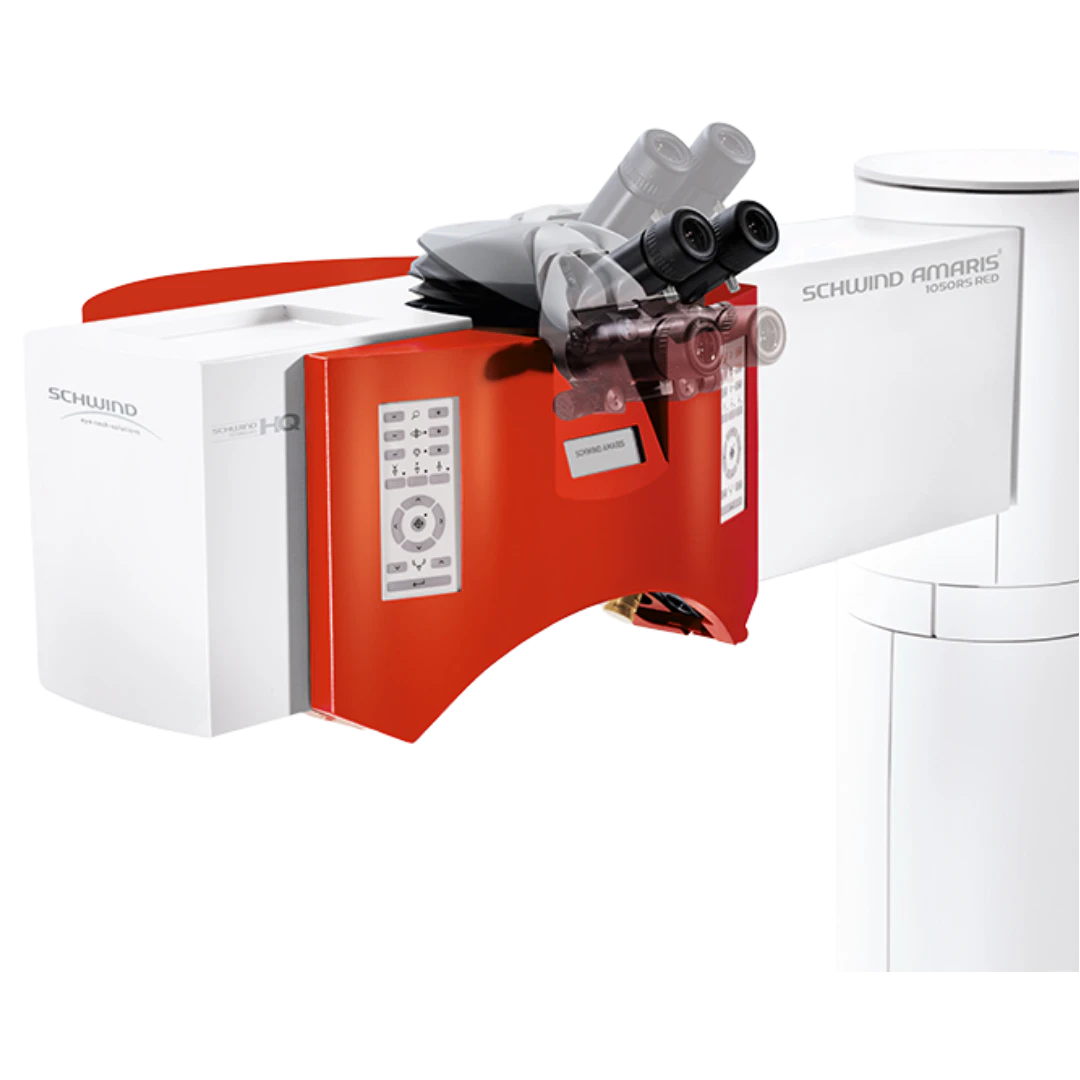
| Procedure | Is the amount for one eye or both eyes, and what device is used? | Avoids comparing unlike quotes |
| Medicines and protective supplies | Are prescribed drops or shields included? | Small items can be billed separately |
| Postoperative visits | How many visits and for how long? | Early review is part of the care pathway |
| Additional treatment policy | What is included if residual prescription remains? | Eligibility, timing, and fees may have conditions |
| International support | Are English records and remote questions included? | Important when follow-up continues at home |
Which clinical findings can change the plan?
Your prescription, corneal shape, thickness distribution, expected tissue removal, tear-film status, and retinal health can all affect eligibility. Repeat refraction or tomography may be appropriate when measurements disagree or contact-lens effects are suspected.
The FDA's LASIK checklist highlights stable refraction, corneal thickness, tear production, pupil size, medical conditions, and realistic expectations. Although SMILE is a different procedure, the broader principle is the same: a refractive operation requires individual screening and informed consent.
- A stable glasses or contact-lens prescription
- A corneal shape without suspicious asymmetry or ectatic pattern
- Enough tissue for the planned correction and safety margin
- Dry-eye and eyelid findings that are understood and managed
- A retinal assessment when the prescription or symptoms warrant it
- Expectations that include possible residual prescription and future presbyopia
How does lenticule extraction differ from LASIK?
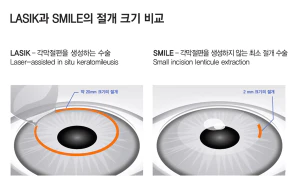
In small-incision lenticule extraction, a femtosecond laser creates a disc-shaped layer of tissue inside the cornea and a small access incision; the surgeon removes the lenticule through that opening. LASIK instead creates a flap before excimer-laser reshaping.
The incision pattern alone does not determine who is eligible or guarantee a particular recovery. Device indications, treatment range, centration, surgeon technique, healing, and the condition of the ocular surface remain relevant.
How should an international patient compare quotes?
Convert each quote into the same categories before comparing currencies. Record whether it covers both eyes, the preoperative exam, procedure, medicines, scheduled postoperative checks, records in English, and support after you return home.
Also compare nonfinancial terms: how much time is reserved for consultation, whether the surgeon explains alternatives, what happens if surgery is postponed, and whether an urgent contact route is available.
A quote should be easy to read without a sales call. Ask for exclusions and refund or postponement terms in writing before paying a deposit.
Which price claims deserve caution?
Be cautious with a number that lacks an eye count, a device or procedure name, an inclusion list, or an expiration policy. The same applies to a guarantee of perfect vision or a claim that one procedure is safest for everyone.
The right next step is an examination and an itemized explanation. A final price range should only be published or quoted by the clinic after its current policy has been confirmed.
Frequently asked questions
How much does SMILE eye surgery cost in Korea?
Current prices and package contents must be confirmed directly with the clinic after eligibility testing. Compare the same components rather than relying on an uncited internet average.
Is the advertised price usually for both eyes?
Not always. Ask whether the number is per eye or bilateral and whether testing, medicines, follow-up, and taxes or administrative fees are included.
Can I get a final quote before an examination?
A clinic can explain its pricing structure in advance, but the final procedure and related cost may change if testing shows that another option or additional care is appropriate.
Does a higher price mean a better result?
No. Price alone does not predict candidacy or outcome. Examine the quality of testing, informed consent, surgeon discussion, follow-up, and clarity of the quote.
What if I am not eligible for SMILE?
The consultation should explain whether LASIK, PRK or LASEK, a phakic lens, glasses, contact lenses, or postponing surgery is more appropriate for your eyes.
Medical references
This article was checked against public guidance from medical authorities and professional organizations.
Medical information standards
This article was prepared from publicly available ophthalmology guidance and the clinic's examination process. A diagnosis or treatment plan can only be made after an individual eye examination and consultation.
- Clinic director: Pung GyeHyeon, MD · Ophthalmologist
- Organization: Gangnam Central Eye Clinic · Seoul, Korea
- Published / last updated: 2026-09-13 / 2026-09-13
This article is general medical information and is not a substitute for personal diagnosis or treatment. Seek prompt eye care for sudden vision loss, severe pain, marked redness, flashes, or a new curtain-like shadow.