CLEARER VISION, BRIGHTER LIFE

Precision starts with the equipment and ends at the
surgeon's hand.

The data measured in the examination carries directly into surgery, and the doctor personally follows up on your recovery.

  • 2 board-certified ophthalmologistsBoard-certified ophthalmologists · continuity of care with your own doctor
  • 6,300+ vision correction proceduresClinic total since opening in 2021
  • Seolleung Station Exits 5 & 69F, Shindo Venture Tower
PHILOSOPHY

Dr. Gye Hyeon Pung personally diagnoses and treats every patient

From consultation to surgery and follow-up, he takes personal responsibility for every step so he understands your eyes best.

Extensive surgical experience

He has personally performed more than 20,000 procedures to date.
The average ophthalmologist worldwide performs 2,000–4,000 procedures.

A doctor other doctors trust

A doctor who has successfully taken on revision cases turned down even by Korea's top 3 university hospitals.
His skill has been recognized to the point that even a U.S. surgeon travelled here for surgery.

Honest diagnosis, only the surgery you need

We don't create an information gap between doctor and patient.
We clearly tell you when a surgery is unnecessary, and we see difficult surgeries through to the end.

VDE (Germany) · KAPA international joint assessment

aiaCAM10 international standard pilot assessment completed (Oct 10, 2025)

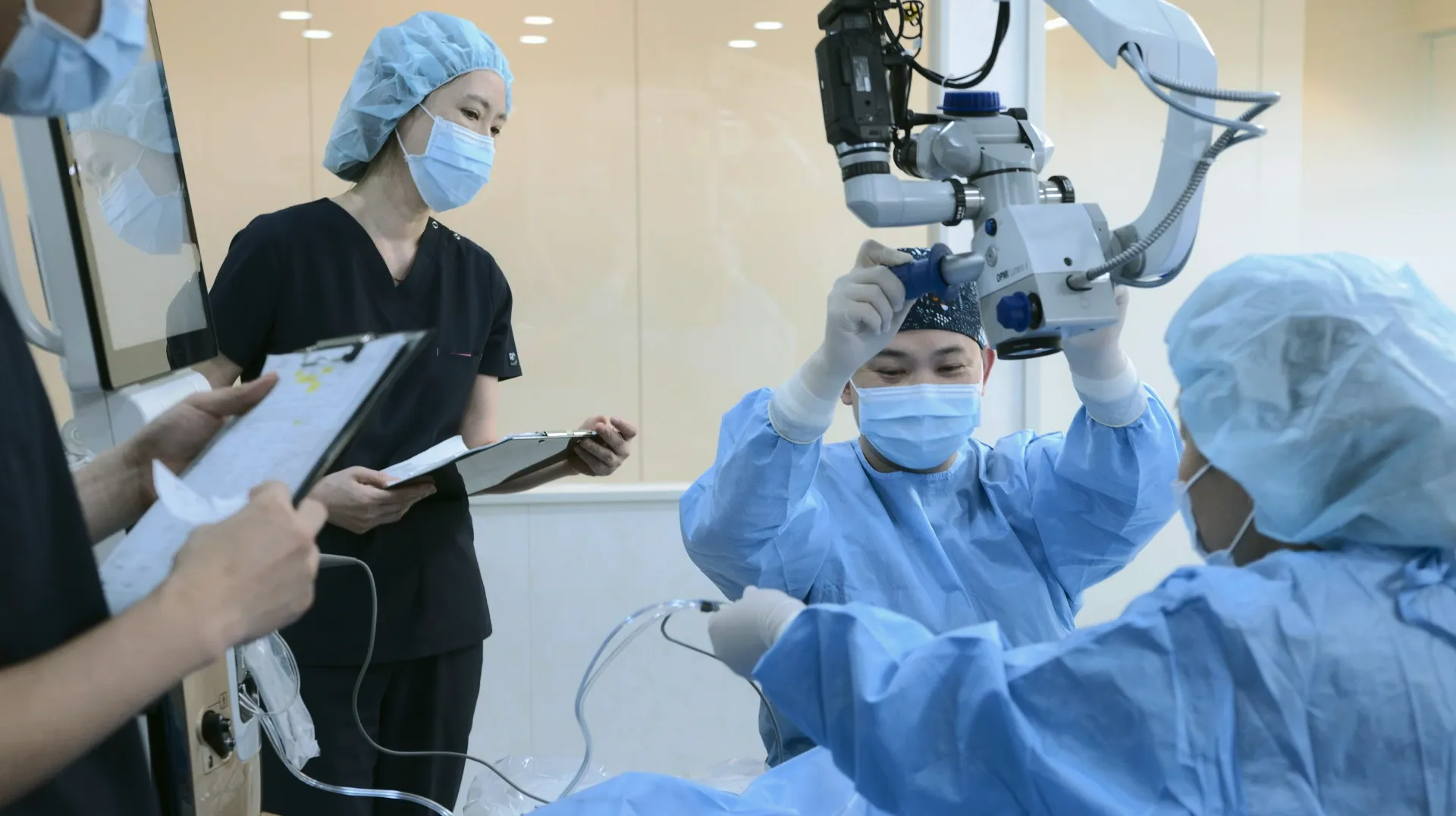
A doctor looking through a surgical microscope in front of the SCHWIND vision-correction equipment

Total procedures performed

20,000+

Compared with the worldwide average of 2,000–4,000

Compared with the world average

5–10 times

More experience, more precise diagnosis

Revision & high-difficulty surgery

Specialist

A doctor other doctors choose for their own surgery

Our diagnostic principle

Honesty

We don't recommend surgery you don't need

* Total procedures: based on Dr. Gye Hyeon Pung's career total · World average procedures: based on average statistics for ophthalmologists · Revision & high-difficulty surgery: based on cases referred by fellow doctors

What equipment is used for surgery

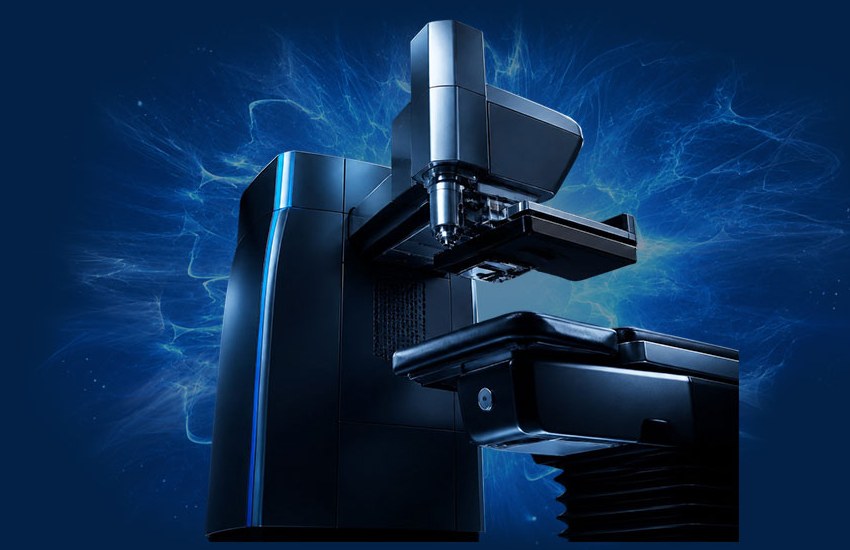
The SCHWIND ATOS femtosecond laser at Gangnam Central Eye Clinic

SCHWIND ATOSSmart Nova, introduced April 2026

Vision correction · Femtosecond laser

SCHWINDATOS

A femtosecond laser used for flapless vision correction. The corneal shape and thickness data measured in the examination room feeds directly into the surgical plan.

Learn more about Smart Nova LASIK
The SCHWIND AMARIS RED excimer laser at Gangnam Central Eye Clinic

LASEK · Excimer laser

SCHWINDAMARIS RED

An excimer laser that reshapes the corneal surface in LASEK. It becomes an option for eyes too thin to create a flap.

Learn more about One-Point LASEK
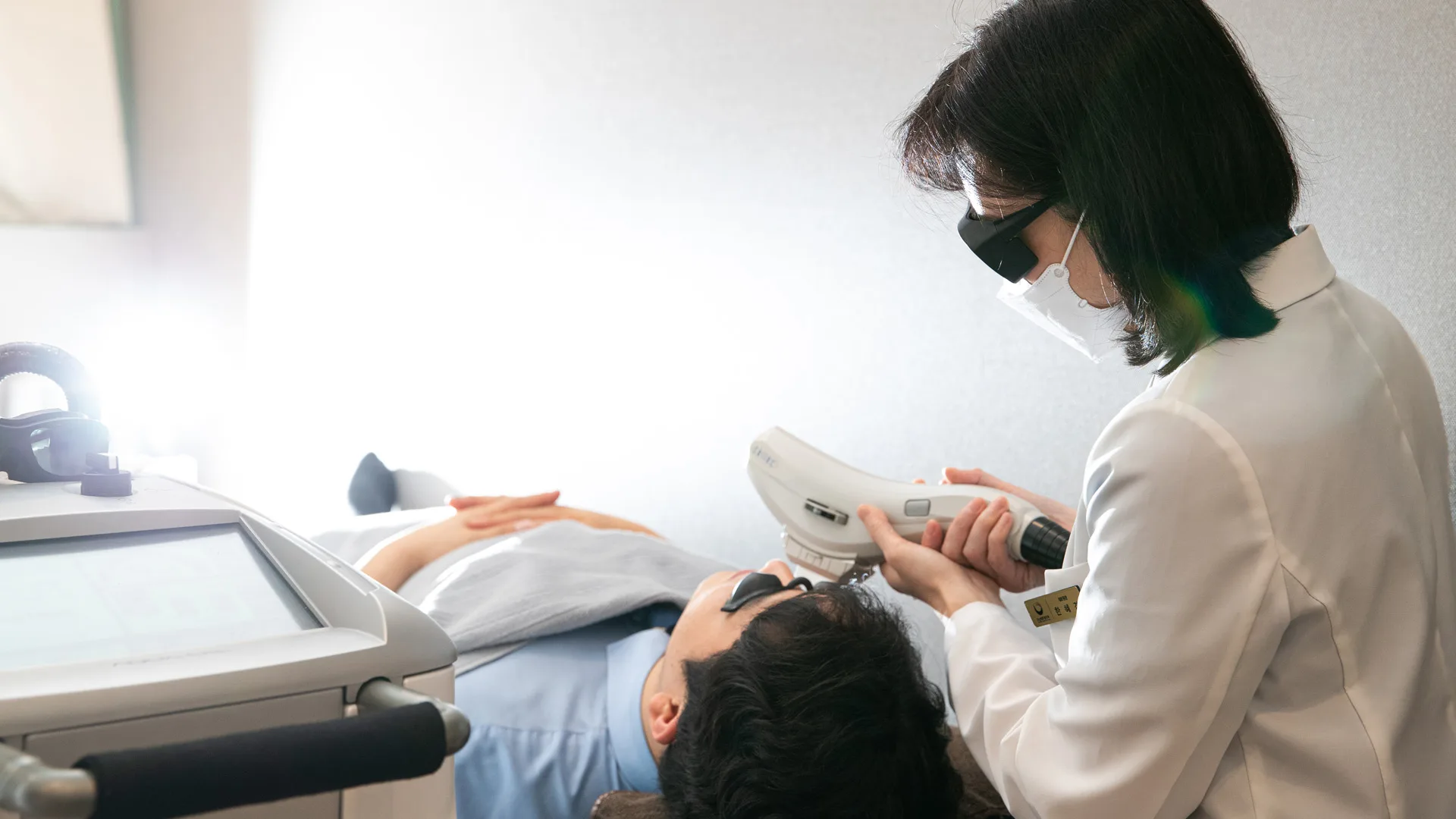
The AQUA CEL IPL device at Gangnam Central Eye Clinic

Dry eye · IPL

AQUA CELIPL

Equipment used to manage the eyelid's oil glands in dry eye treatment. It is used when needed, after the tear film is examined.

Learn more about IPL dry eye treatment

9 pieces of equipment SCHWIND ATOS · AMARIS RED 1050 · SIRIUS+ · LENSAR · CENTURION · ZEISS Lumera surgical microscope · PENTACAM · OCT · IPL Aqua cell. Which equipment is paired with which examination is explained in Equipment Overview.

Manufacturer training & certifications received by Dr. Gye Hyeon Pung

  • SCHWIND ATOS Best Skilled Smart Surgeon 2024.05
  • SCHWIND ATOS Premium Refractive Surgery Course completion 2022.10
  • LENSAR 3D Femtosecond Laser cataract surgery training completion 2021.04
GANGNAM CENTRAL EYE CLINIC

Gangnam Central Eye Clinic — Our Difference

For the comfort of every patient who visits Gangnam Central Eye Clinic, and
for their safety, we provide care with sincerity.

More View
A staff member helping position a patient for examination
POINT 01

We examine first, then talk

We measure corneal thickness, shape and anterior chamber depth first.
Depending on the results, we may tell you that surgery is not advisable.

02 board-certified ophthalmologists · continuity of care with your own doctor

A doctor operating with a surgical microscope
POINT 02

The director personally performs your surgery

The doctor who consulted with you is the same doctor who goes into the operating room.

0+ proceduresVision correction procedures · clinic total since opening in April 2021

A doctor performing a procedure while checking the examination monitor
POINT 03

The same doctor follows up after surgery, too

Your own doctor personally checks your recovery starting the day after surgery.

0Post-surgery follow-up · tracked on a set schedule

GANGNAM CENTRAL EYE CLINIC

Gangnam Central Eye Clinic — Specialties

Gangnam Central Eye Clinic only proceeds with treatment that matches your examination results.

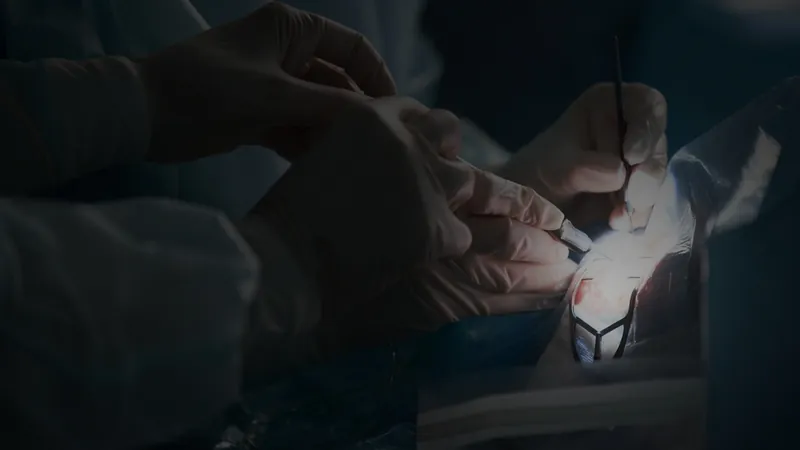
Close-up of a hand performing an eye procedure with surgical instruments

VISION CORRECTION

Vision Correction

We measure corneal thickness, shape and anterior chamber depth, and
decide on the correction method that fits your eyes.

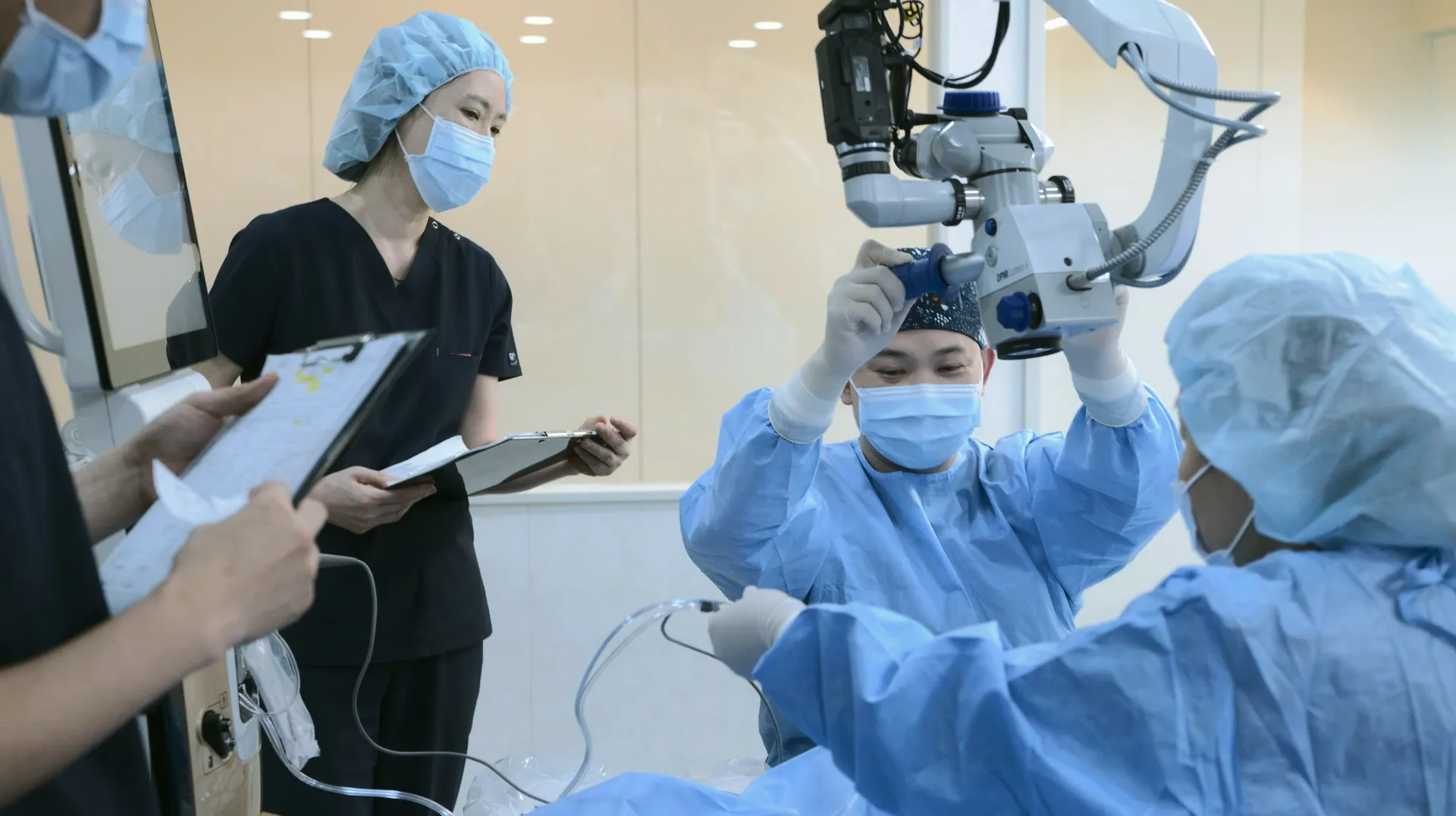
The surgical team operating under the surgical microscope

PRESBYOPIA·CATARACT

Presbyopia & cataract

After checking the distances you use in daily life,
we choose your intraocular lens.

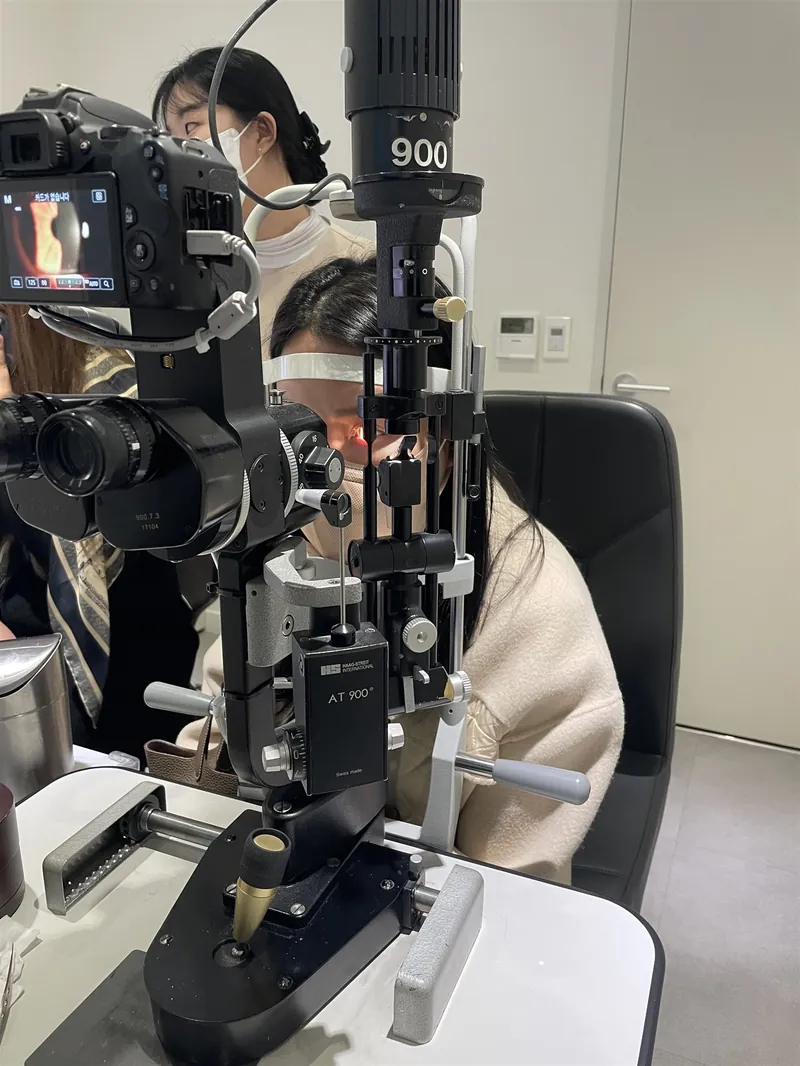
A patient undergoing a precision examination with their face against the equipment

RETINA

Retina

Floaters and flashes, macular degeneration, diabetic retinopathy and more —
we treat retinal disease.

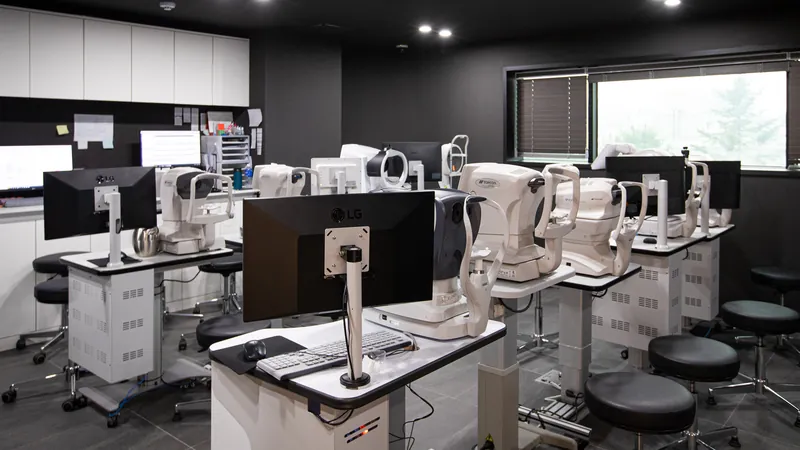
A view of the examination room with a refractometer, tonometer and other equipment

GLAUCOMA

Glaucoma

By regularly checking intraocular pressure, the optic nerve and visual field,
our goal is to preserve your remaining vision.

Close-up of a patient with their eye against a precision examination device

CHILD MYOPIA

Pediatric Myopia

Dream Lens, MiSight, atropine eye drops and more —
we guide myopia progression management.

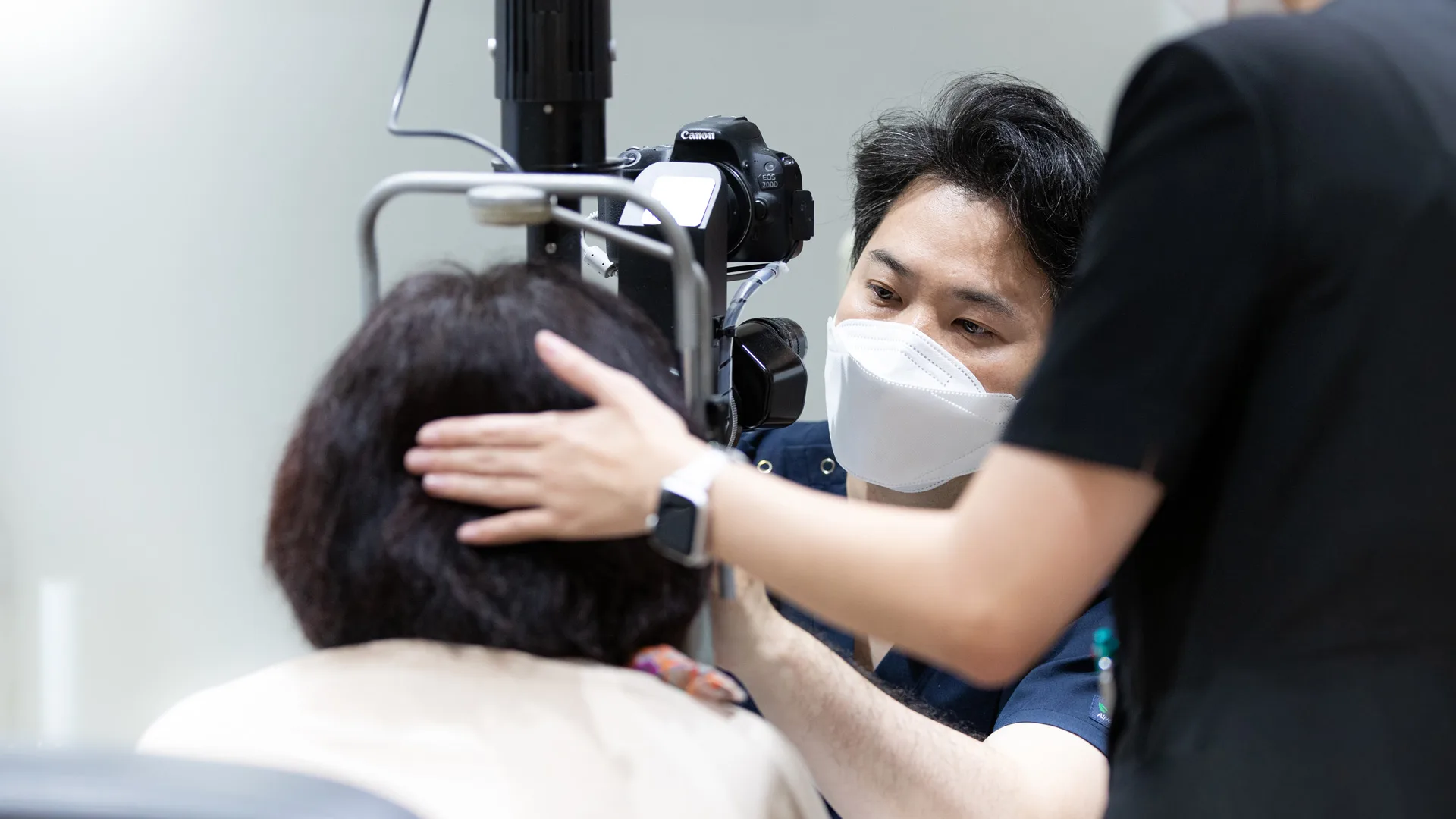
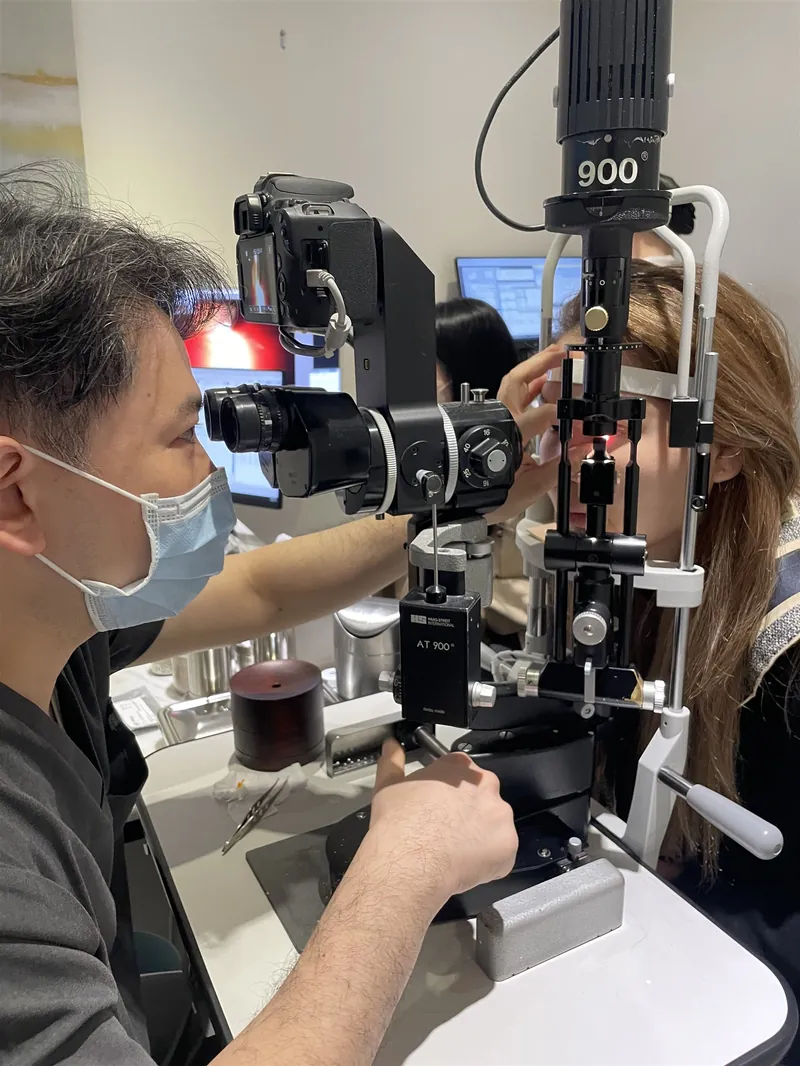
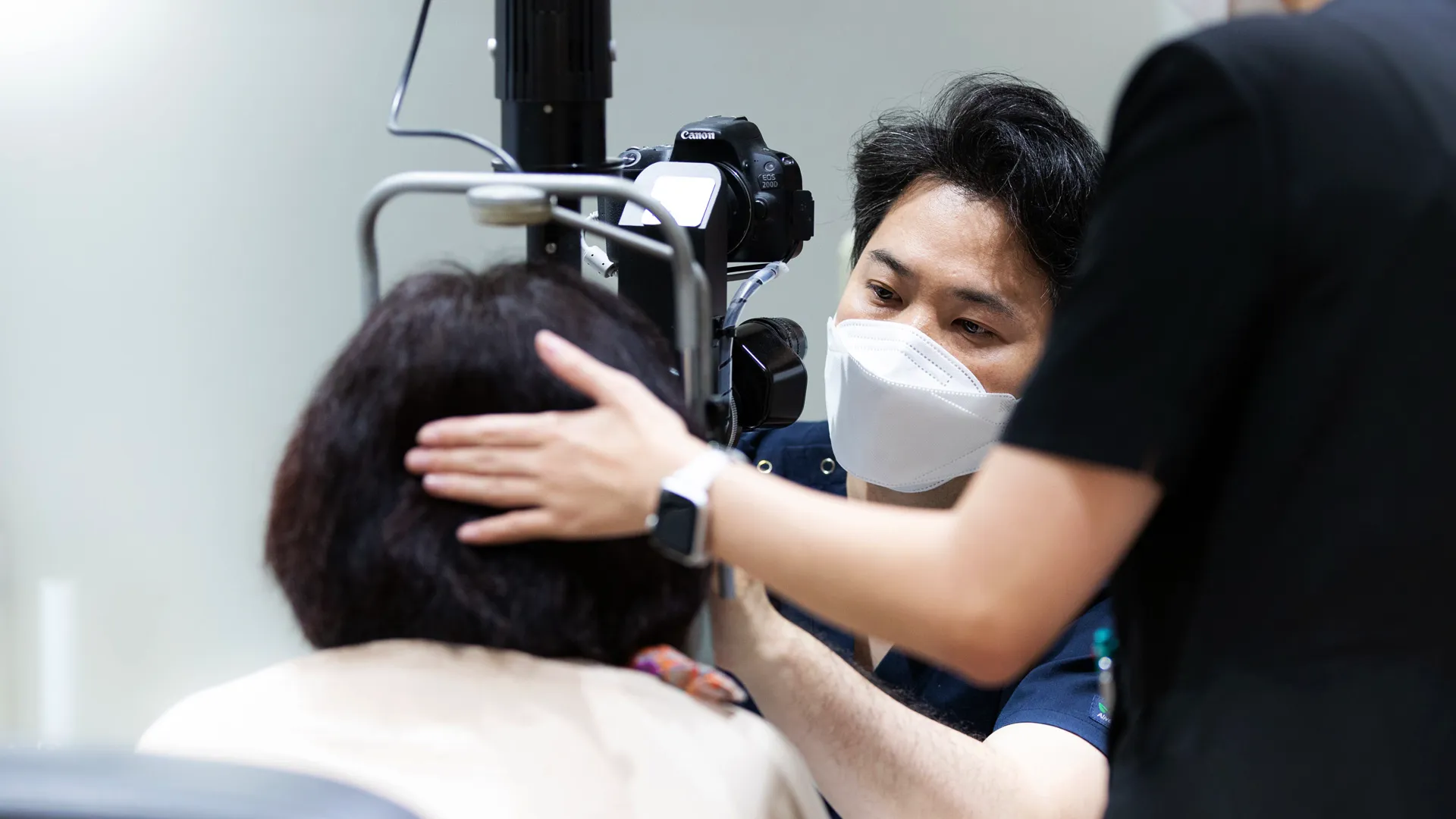
A doctor steadying a patient's head during a slit-lamp examination

DRY EYE SYNDROME

Dry eye

We divide cases into low tear production and rapid tear evaporation, and
manage each with the appropriate examination.

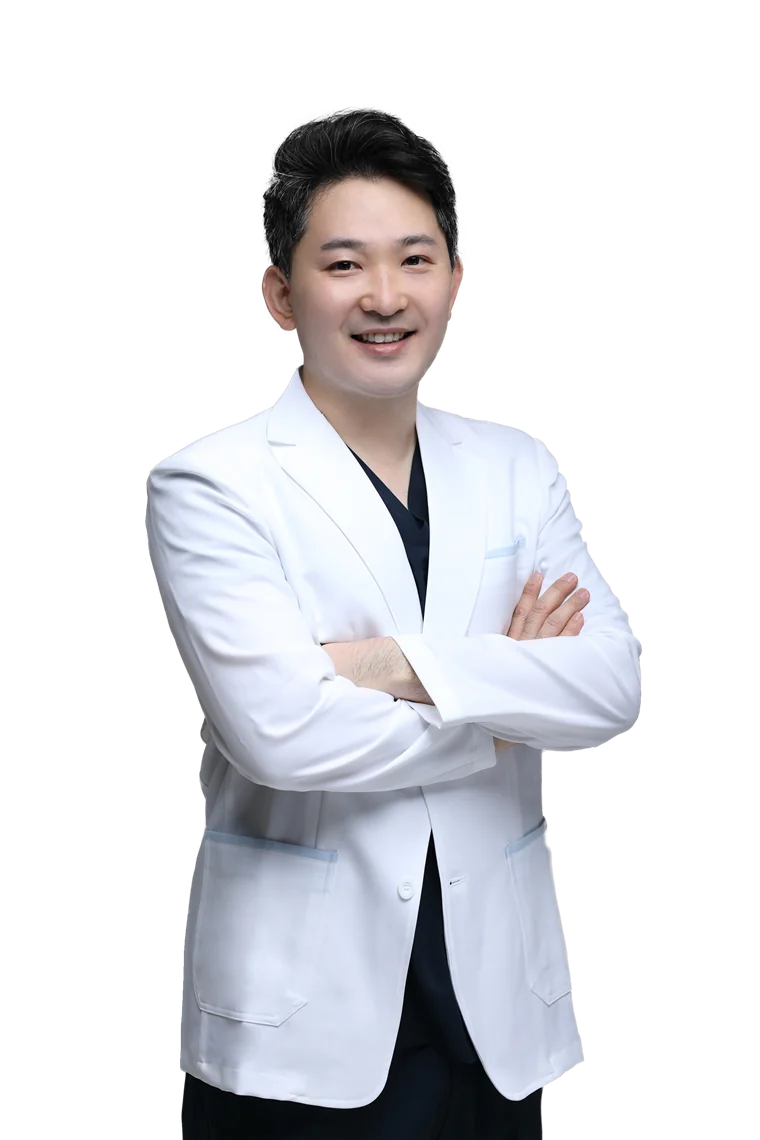
Profile photo of Dr. Gye Hyeon Pung, Director
GANGNAM CENTRAL EYE CLINIC

Gye Hyeon Pung Director

Examination— we only tell you what the examination shows, and
surgery is performed personally by the director, .

  • Licensed physician since 2010 · Board-certified ophthalmologist
  • Clinical Assistant Professor of Ophthalmology, Hallym University Medical Center
  • SCHWIND ATOS Premium Refractive Surgery course completed (Oct 2022)
  • LENSAR 3D Femtosecond Laser cataract surgery training completed (Apr 2021)
  • Director has published 6 academic papers (2012–2018)
  • Full member of the Korean Ophthalmological Society, the Korean Society of Cataract and Refractive Surgery, and the Korean Glaucoma Society

Dr. Hyeon-Ju Ki — Glaucoma · Presbyopia-Cataract · Dry Eye / 2 papers in international journals (2021, 2022)

VIEW MORE

GANGNAM CENTRAL EYE CLINIC

GANGNAM CENTRAL EYE CLINIC

Gangnam Central Eye Clinic Tour

This is the space you'll spend time in on the day of your surgery.
You can take a look around before your visit.

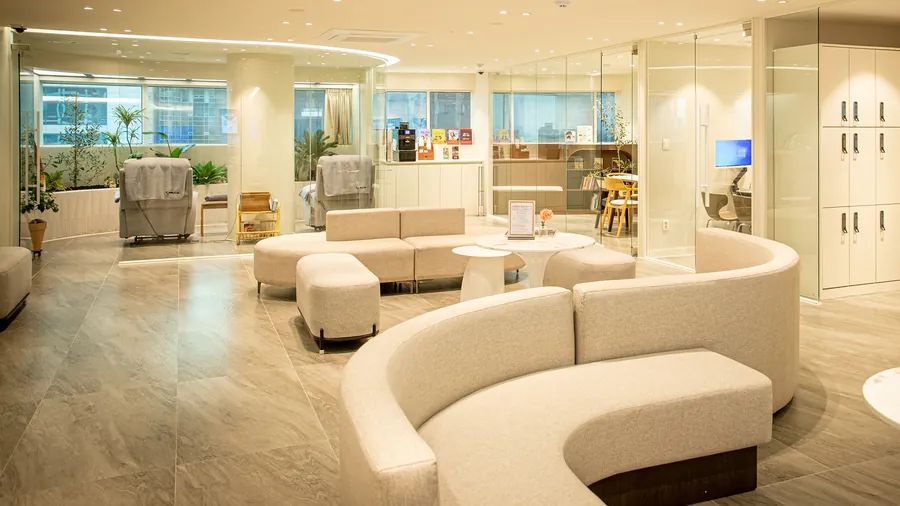
The waiting lounge with a curved sofa and lockers

Waiting Lounge

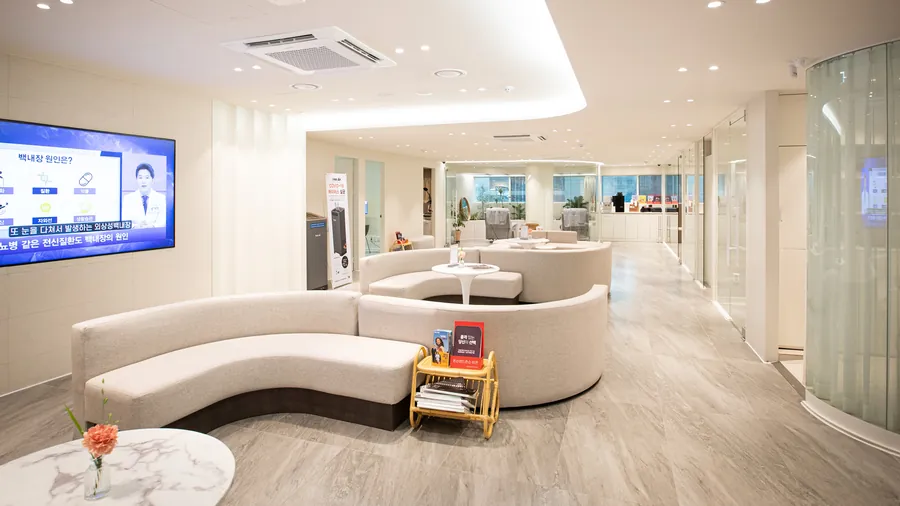
The waiting lounge with a wall-mounted monitor and curved sofa

Waiting Lounge

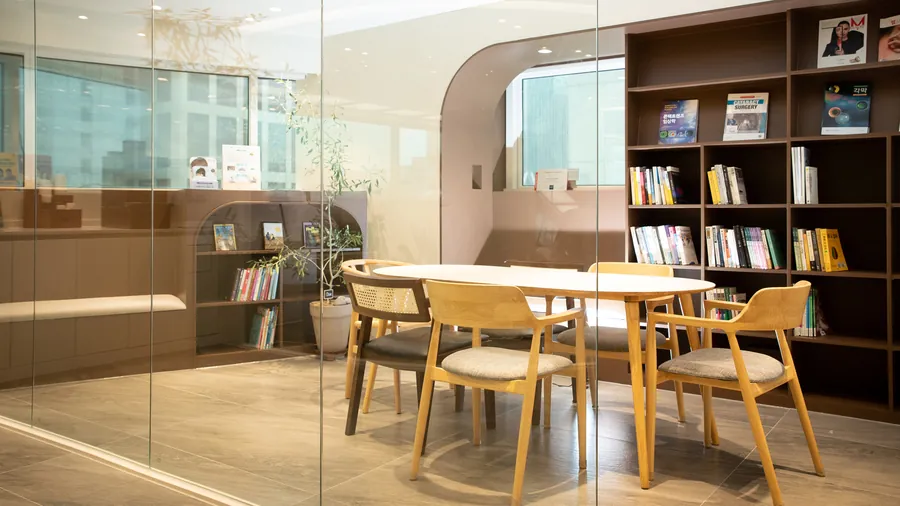
The reading lounge with bookshelves and a round table

Reading Lounge

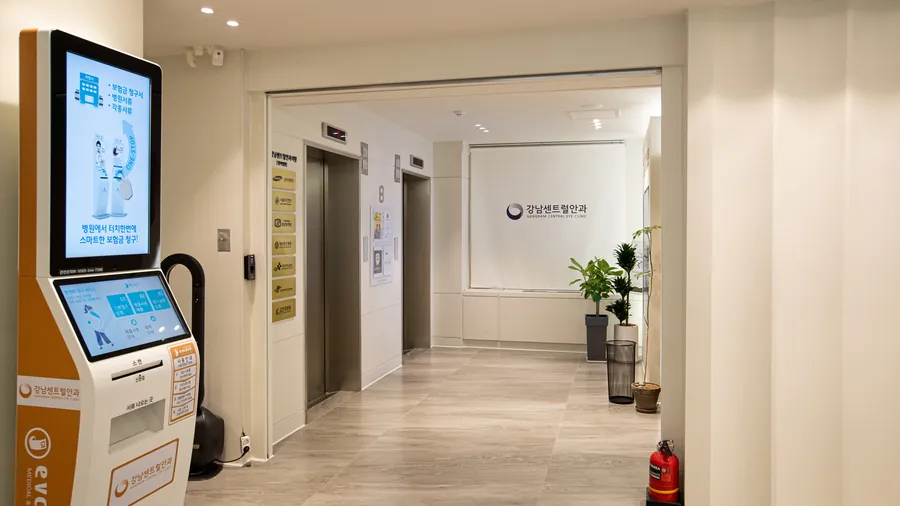
The elevator hall with the clinic's logo wall and an insurance claim kiosk

Elevator Hall

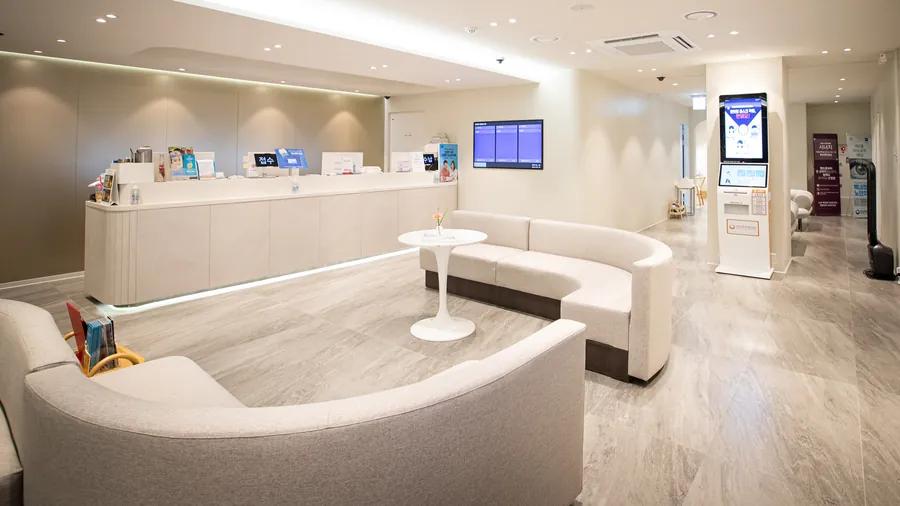
The front desk with the payment counter and waiting sofa

Front Desk

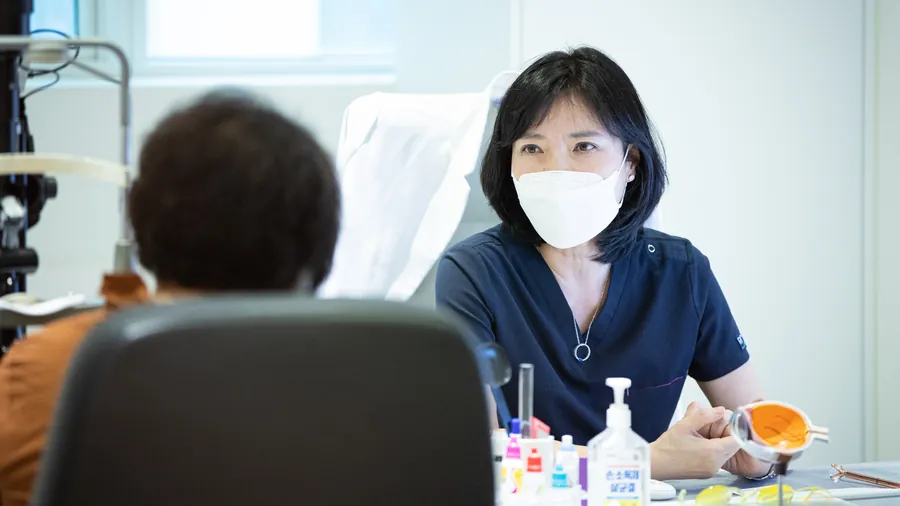
The examination room where doctors consult using an eye model

Examination Room

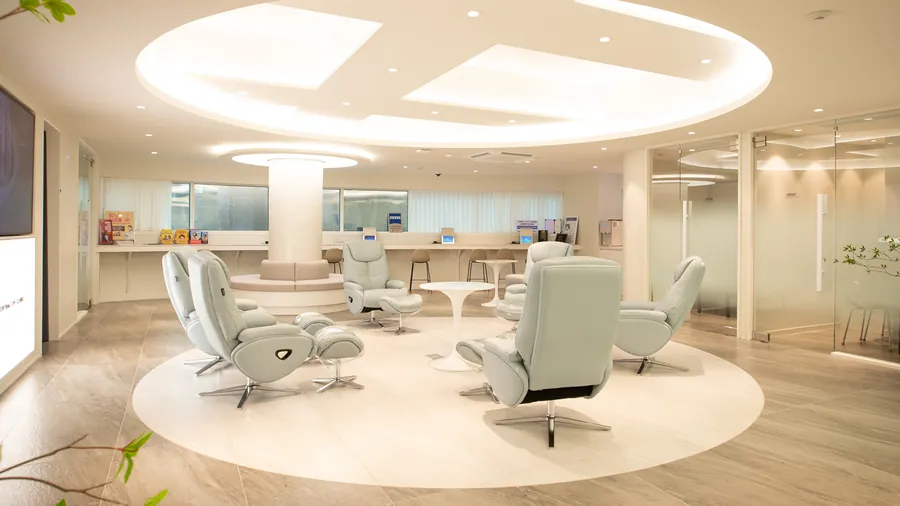
The recovery lounge with 6 mint-colored recliners and round ceiling lighting

Recovery Lounge

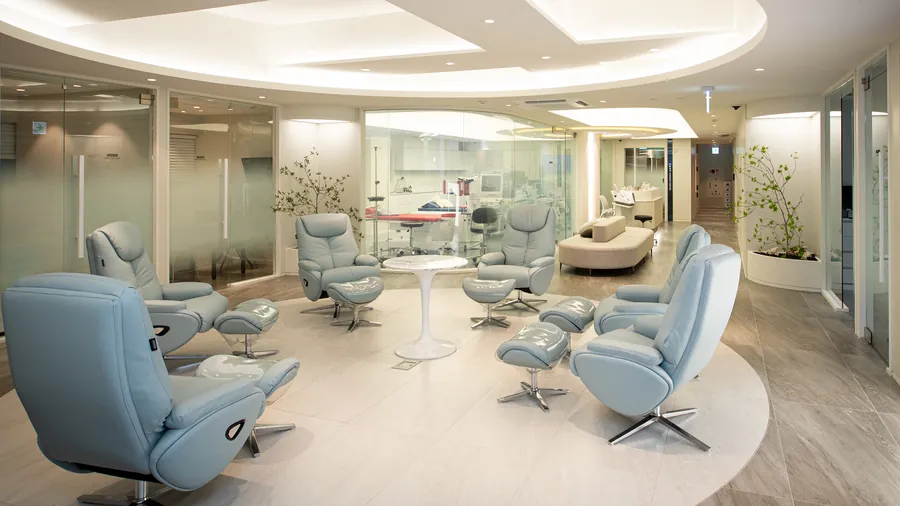
The recovery lounge with a mint-colored recliner and a view through the operating room's glass wall

Recovery Lounge

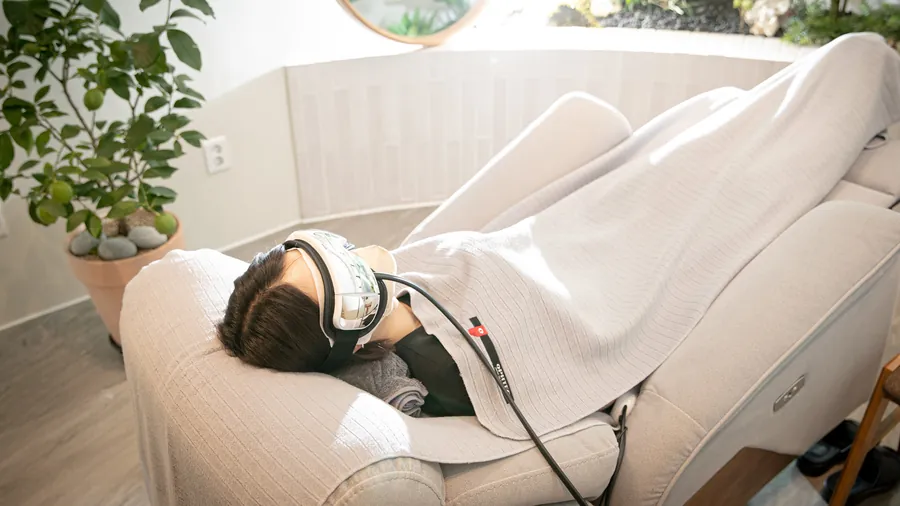
A patient lying in a recliner wearing a warm eye mask

Recovery Room

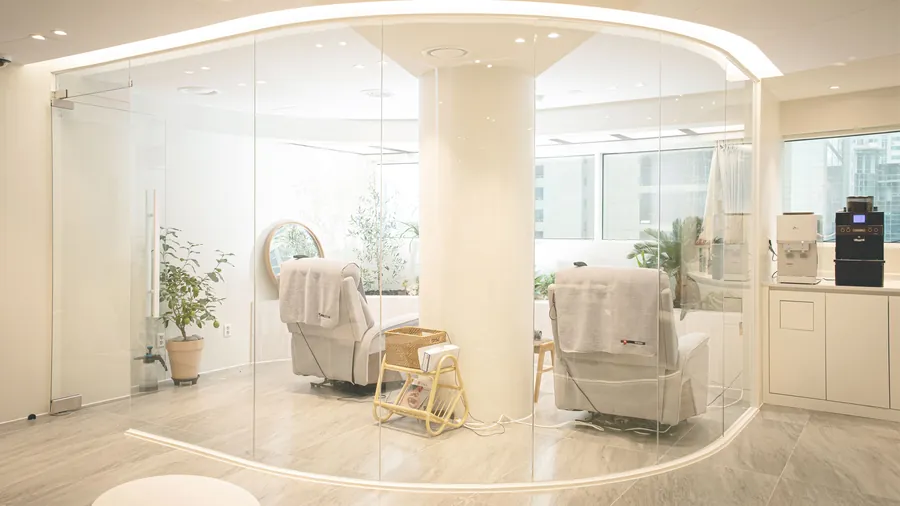
The recovery room behind the glass wall with 2 recliners and a water dispenser

Recovery Room

01 10
FAQ

Frequently Asked Questions

Which is right for me, LASIK or LASEK?

It depends on your corneal thickness, corneal shape and lifestyle. LASIK, which lifts a thin flap of the cornea, tends to recover faster, while LASEK, which reshapes the surface, preserves more corneal tissue and can be an option even for thinner corneas.

Which one is right for you is explained directly by the doctor based on your precision examination results — see LASIK·One-Point LASEK .

How is SMILE LASIK different from LASIK and LASEK?

It corrects vision through a small incision without creating a corneal flap. Because it doesn't disturb a wide area of the corneal surface, it places less burden on the tear film.

At our clinic this is performed with the SCHWIND ATOS laser — see Smart SMILE .

If my cornea is thin, can I not have vision correction surgery?

A method that cuts the cornea may be difficult, but there are other options. Procedures that don't touch the cornea, such as Implantable lens surgery (ICL)or methods that remove less corneal tissue, can be considered.

The decision isn't based on thickness alone — corneal shape, intraocular pressure and the space inside the eye are considered together. We cannot say whether it's possible without an examination.

When is implantable lens surgery (ICL) performed?

It is considered for high myopia or when the cornea is too thin for laser correction. Because no corneal tissue is removed and a lens is simply placed inside the eye, the lens can be removed again if needed.

We first measure the space inside the eye and the corneal endothelial cell count, and whether it's possible depends on those results — see Implantable Lens Surgery. Implantable lens surgery (ICL) .

What is the difference between Aqua ICL and ECHO ICL?

They differ in lens design and prescription range. Which lens is right for you depends on the space inside your eye, your corneal endothelial cells, and the prescription you need.

The difference between the two lenses is detailed on the Aqua ICL·ECHO ICL pages.

Can presbyopia and cataracts be treated in one surgery?

During cataract surgery, when the clouded natural lens is removed and an intraocular lens is inserted, a lens that also addresses presbyopia can be chosen.

It isn't right for every eye, though — it depends on the condition of the retina and cornea — see Signature Presbyopia-Cataract .

How is the intraocular lens chosen for cataract surgery?

There are monofocal lenses that focus on one distance and multifocal lenses that cover several distances. Multifocal lenses can reduce your reliance on reading glasses, but you may notice more glare at night.

The choice is made by weighing your occupation, driving habits and the distances you use most — see Monofocal·Multifocal .

I've had vision correction surgery before — can I have it again?

It's possible in some cases. We look at your remaining corneal thickness, the method used previously, and how your prescription has changed.

The examination is more thorough than for a first-time surgery — see LASIK Revision and LASEK Revision. LASIK Revision Surgery·LASEK Revision Surgery .

What examinations will I have before surgery?

We check your visual acuity, refraction, corneal topography, corneal thickness, intraocular pressure, tear film and fundus. If implantable lens surgery is being considered, we also measure the space inside the eye and your corneal endothelial cells.

These results are the basis for deciding whether surgery is possible and which method to use. Your results are displayed on screen and explained to you directly by the doctor.

My child's myopia keeps progressing — is there anything that can be done?

Dream Lens, worn overnight to gently reshape the cornea, can be considered. It lets your child go without glasses during the day and is used to slow the progression of myopia.

It depends on corneal shape, prescription, and whether your child can handle the lenses — see Dream Lens. Dream Lens .

Does my own doctor perform the surgery personally?

Director Gye Hyeon Pung and Dr. Hyeon-Ju Ki each personally handle the examination, surgery and follow-up for their own patients.

The operating room is monitored by CCTV — see Our Doctors. Our Doctors .

Can I drive on the day of my examination?

On days when you have a pupil-dilation exam, your eyes may be sensitive to light and your focus blurred, so it's best to avoid driving.

It's more comfortable to take public transportation or come with a companion on that day.

What are your hours?

Monday and Friday 09:30–18:30, Tuesday and Thursday 09:30–19:30 (evening hours), Saturday 09:30–15:30. Closed on Wednesdays, Sundays and public holidays.

Lunch break is 13:30–14:30, and there is no lunch break on Saturdays.

How do I book an appointment?

our main phone line 02-555-1369 or through Naver Booking.

If you're planning to have a precision examination, please contact us in advance, as the time required varies depending on the tests.

Where are you located, and is parking available?

We're at 9F, Shindo Venture Tower, 333 Teheran-ro, Gangnam-gu, Seoul — the building is directly in front of Seolleung Station (Line 2 and Sinbundang Line).

Free parking is available in the building, but it's a mechanical parking system, so there are restrictions depending on vehicle type — see Directions. Directions .

Consultation

We decide after seeing your examination results

After checking corneal thickness, corneal shape and anterior chamber depth, we recommend the method suited to your eyes.

If the examination shows a procedure isn't suitable, we won't recommend it.

“A consultation alone is fine, too.”