





A useful quote identifies the lens and whether it is spherical or toric, states whether the price covers one or both eyes, lists examinations and medicines, and explains the follow-up schedule. It should be issued in the context of measurements that show whether there is enough space and whether the eye is otherwise suitable.

What is ICL surgery?
An implantable collamer lens is a type of phakic intraocular lens placed inside the eye while the natural lens remains. It is used to correct or reduce myopia, and toric models may address myopic astigmatism for eligible patients.
Because the procedure is intraocular, the evaluation differs from a corneal laser consultation. The FDA emphasizes that phakic-lens information cannot replace an in-depth discussion with the surgeon about individual circumstances and risks.
Which tests come before a final quote?
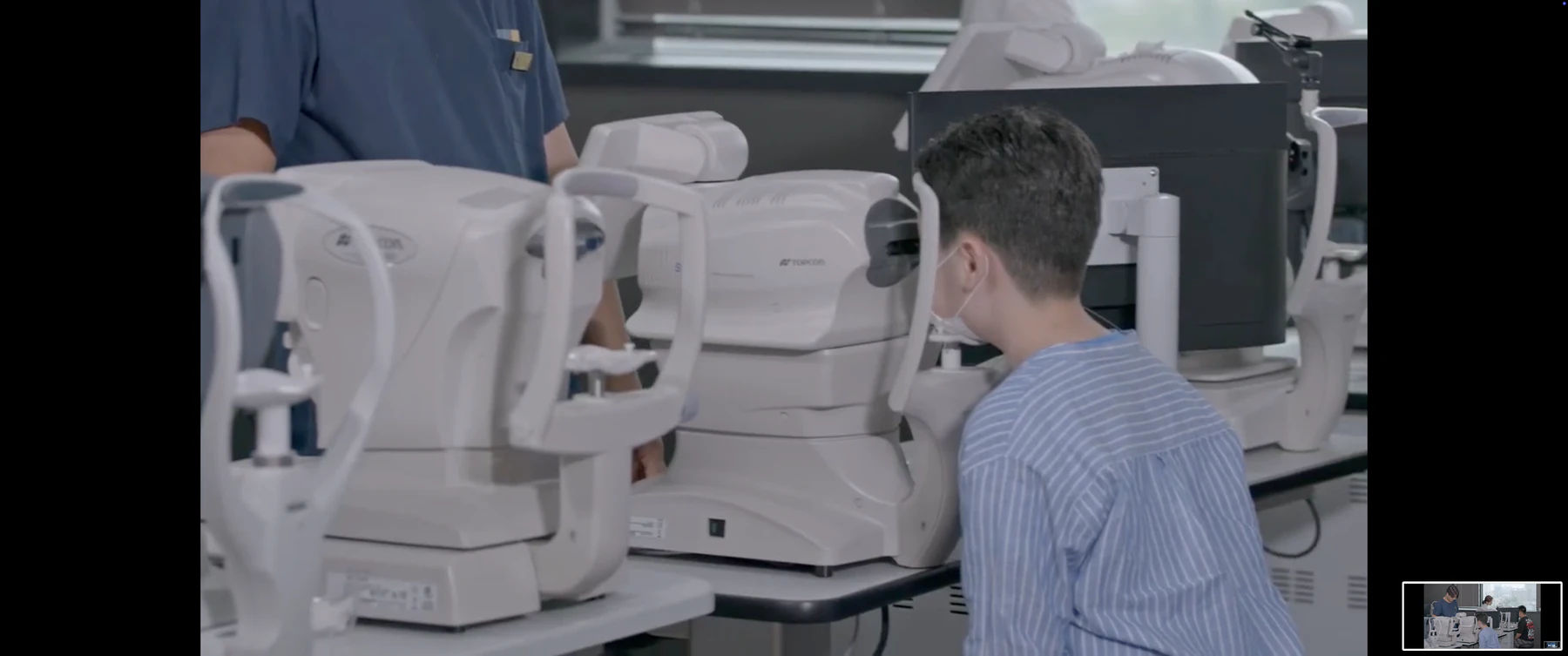
The exact protocol varies, but the clinician generally needs stable refraction, corneal measurements, anterior-chamber measurements, endothelial-cell assessment, pressure, lens status, and a retinal examination. Contact-lens wear may require a pause before some measurements.
A single prescription number is not enough. The space between the cornea and natural lens, the drainage angle, and the health of the corneal endothelium influence whether the procedure is considered.
| Test area | What is assessed | Why it matters |
|---|---|---|
| Refraction | Myopia, astigmatism, and stability | Determines the correction goal and lens power |
| Anterior chamber | Depth and angle | Checks whether there is suitable space for the lens |
| Endothelial cells | Corneal cell density and condition | Provides a baseline for long-term corneal health |
| Cornea | Shape and thickness | Identifies other disease and compares alternatives |
| Intraocular pressure | Pressure and drainage considerations | Creates a baseline and informs follow-up |
| Dilated retinal exam | Peripheral retina and macula | Important in myopia and before intraocular surgery |
What should the total cost include?
Ask the provider to separate examination, lens, surgery, medicine, and follow-up. If a toric lens or unusually high power changes the fee, that condition should be stated clearly. Also ask what happens if the ordered lens or schedule changes.
International patients should request copies of the implanted-lens information, operative summary, medication list, and follow-up measurements for the eye doctor who will continue care at home.
| Quote line | Confirm in writing |
|---|---|
| Lens | Manufacturer, model, spherical or toric, and one-eye or two-eye quantity |
| Preoperative care | Included imaging, endothelial-cell count, dilation, and repeat tests |
| Surgery | Surgeon and facility fees, anesthesia or sedation policy |
| Medication | Drops and protective supplies included or separate |
| Postoperative care | Required checks, duration, and urgent-contact pathway |
| Additional procedures | Policy for lens repositioning, exchange, removal, or residual correction |

Which risks and long-term checks should be discussed?
Potential issues include infection, inflammation, pressure changes, cataract, loss of corneal endothelial cells, glare or halos, residual prescription, lens rotation in toric cases, and the need for another procedure. The personal risk profile depends on anatomy, lens selection, and follow-up.
The fact that a phakic lens can be removed or exchanged does not make surgery risk-free or restore the eye to an untouched state. Ask what long-term examinations are recommended and where they can be performed after you return home.
After intraocular surgery, sudden vision loss, severe or worsening pain, marked redness, nausea with eye pain, flashes, many new floaters, or a curtain-like shadow require urgent eye care.
How should ICL and corneal laser surgery be compared?
ICL preserves corneal tissue because it does not reshape the cornea, but it introduces an intraocular implant and its own monitoring needs. Corneal laser procedures avoid an implanted lens but require appropriate corneal shape, thickness, and tear-film status.
The correct comparison is not simply high prescription versus low prescription. It is a personalized balance of anatomy, visual goals, dry eye, retinal condition, lifestyle, risk tolerance, and long-term care.
Ask the surgeon to explain why the recommended option is preferable for your measured anatomy and what would make them recommend a different option.
Frequently asked questions
How much does ICL eye surgery cost in Korea?
The clinic should confirm current pricing after suitability testing. Ask for an itemized quote that states the lens model, one-eye or two-eye status, tests, medication, postoperative visits, and exclusions.
Is a toric ICL more expensive?
Pricing may differ by lens model and clinic policy. The important first question is whether measured astigmatism and eye anatomy make that lens appropriate.
Can I get ICL if my corneas are thin?
Thin corneas may be one reason to compare a phakic lens with corneal procedures, but they do not establish ICL eligibility. Anterior-chamber depth, endothelial cells, angle, pressure, lens status, and retinal health still require examination.
Can an ICL be removed?
Phakic lenses can be removed or exchanged in some circumstances, but another intraocular procedure carries risk and does not guarantee reversal of every change or complication.
Will insurance cover ICL?
Coverage varies by country and policy, and elective refractive correction is often excluded. Ask your insurer and request the documentation it requires.
Medical references
This article was checked against public guidance from medical authorities and professional organizations.
Medical information standards
This article was prepared from publicly available ophthalmology guidance and the clinic's examination process. A diagnosis or treatment plan can only be made after an individual eye examination and consultation.
- Clinic director: Pung GyeHyeon, MD · Ophthalmologist
- Organization: Gangnam Central Eye Clinic · Seoul, Korea
- Published / last updated: 2026-09-13 / 2026-09-13
This article is general medical information and is not a substitute for personal diagnosis or treatment. Seek prompt eye care for sudden vision loss, severe pain, marked redness, flashes, or a new curtain-like shadow.