





Choose according to the problem you need assessed, whether it is routine, persistent, or sudden, and whether you can understand and follow the care plan. Tell the clinic your symptoms when booking. A routine glasses question, a surgical consultation, and an urgent vision change should not be treated as the same appointment.
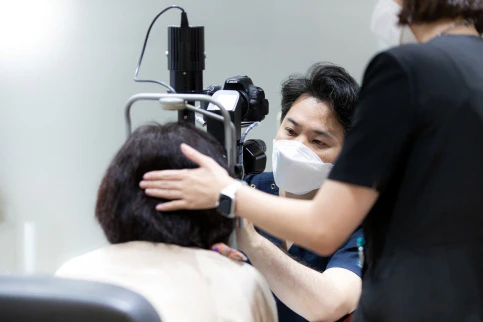
First decide what kind of appointment you need
Finding an eye clinic in Seoul starts with a short description of the problem, not a list of tests you want to buy. Note when it began, whether it affects one eye or both, and whether it is constant or intermittent. Mention any recent injury, operation, medication change, or new contact lenses.
A useful booking message might say: "My right eye has been blurry for three weeks even with my usual glasses; I have no recent operation and would like an examination." For a surgery enquiry, say that you are considering vision correction and would like an assessment rather than asking to reserve a specific procedure before testing.
Let the clinic advise the appointment type and whether the timing is appropriate. A brief online exchange can organize care, but it should not be treated as a diagnosis. If symptoms change while you are waiting, contact a medical service again rather than assuming that the original booking still fits.
| Your main concern | What to explain at booking | What to ask |
|---|---|---|
| Blurry vision | Onset, one or both eyes, effect of glasses | Which appointment is appropriate? |
| Dryness or contact-lens discomfort | Lens type, symptoms, current drops | What should I bring or avoid before testing? |
| A known eye condition | Previous diagnosis, treatment, and records | Can the clinic assess this condition or arrange referral? |
| Vision correction | Prescription history and surgical interest | How is candidacy assessed? |
| Sudden visual changes | Describe the change immediately | Where can I receive urgent evaluation now? |
An ophthalmologist in Seoul is a medical eye-care specialist
The National Eye Institute guide to eye-care professionals distinguishes medical eye care from dispensing glasses. An ophthalmologist can assess eye disease and may provide surgical treatment. The exact professional roles and referral arrangements differ between countries; the U.S. descriptions in that guide should not be assumed to define Korean services.
When arranging a visit with an ophthalmologist in Seoul, say whether your main concern is a prescription, symptoms, a known disease, or possible surgery. A glasses measurement is not the same request as a medical assessment. Ask which clinician will see you and whether another department or hospital would be more appropriate for your concern.
If you are choosing an ophthalmologist in Gangnam for surgery, review the clinic medical-team information and ask who will make the recommendation and provide postoperative care. A staff member answering a scheduling message does not replace the consultation with the treating doctor.
Choose an eye clinic in Gangnam for the care pathway, not just the address
A convenient location can help you keep appointments, but it does not tell you whether the visit will address your question. Ask how examination findings will be explained, which results you can take away, and who will coordinate the next step. For a condition already diagnosed elsewhere, ask whether the clinic can review your records before recommending new tests.
Keep access needs in the booking conversation. Mention if you need a companion, have difficulty using stairs, or may need a longer explanation. Confirm available arrival arrangements directly; a nearby station does not by itself establish a step-free route from the platform to the examination room.
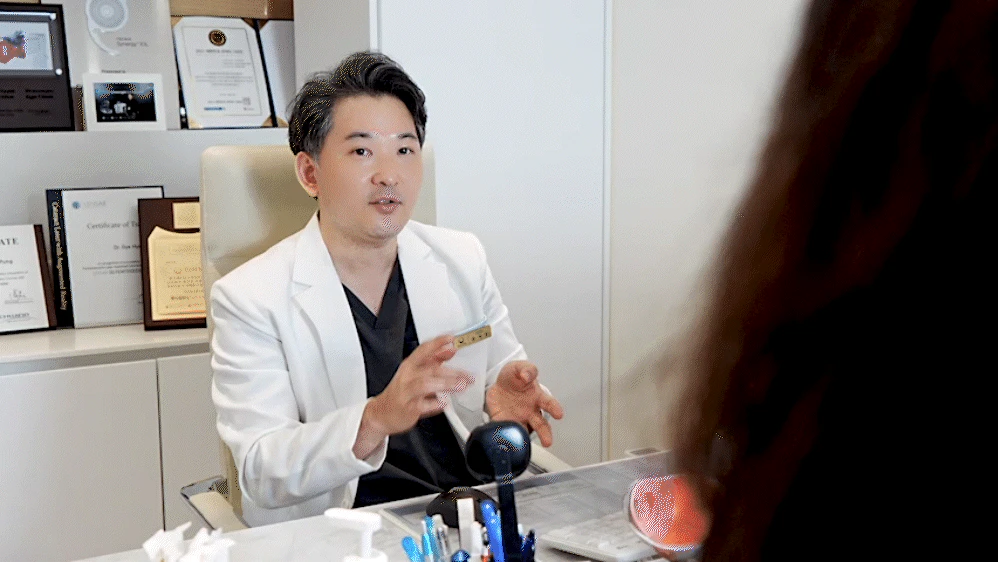
Prepare records that make the appointment more useful
Bring your glasses, any recent prescriptions or examination reports, a medication list, and information about previous eye treatment. Include eye drops as well as tablets, and describe allergies or other health conditions. If a report is in another language, ask which parts the clinic would like translated or summarized before the visit.
Write down the questions you want answered. For an ongoing problem, include what you have tried and whether it helped. For contact lenses, record the type, wearing schedule, and when you last wore them. Follow the clinic's preparation instructions rather than stopping prescribed medication or changing treatment based on a general blog article.
Existing guides to dry-eye tests and eye-pressure testing explain what those examinations can and cannot tell you. They can help you ask questions, but they are not a checklist of tests every patient must receive.
Ask about dilation and your journey home
NEI guidance on dilated eye examinations notes that dilation can temporarily blur vision and increase light sensitivity. Ask about transport, bring sunglasses, and arrange help getting home if advised. Do not rely on being able to drive directly after the appointment.
Reserve enough flexibility for the consultation and any additional assessment the clinician recommends. There is no fixed examination duration that fits every reason for visiting. Before booking another appointment immediately afterward, ask the clinic how much time to allow and whether the visit may involve waiting or a return for further measurements.
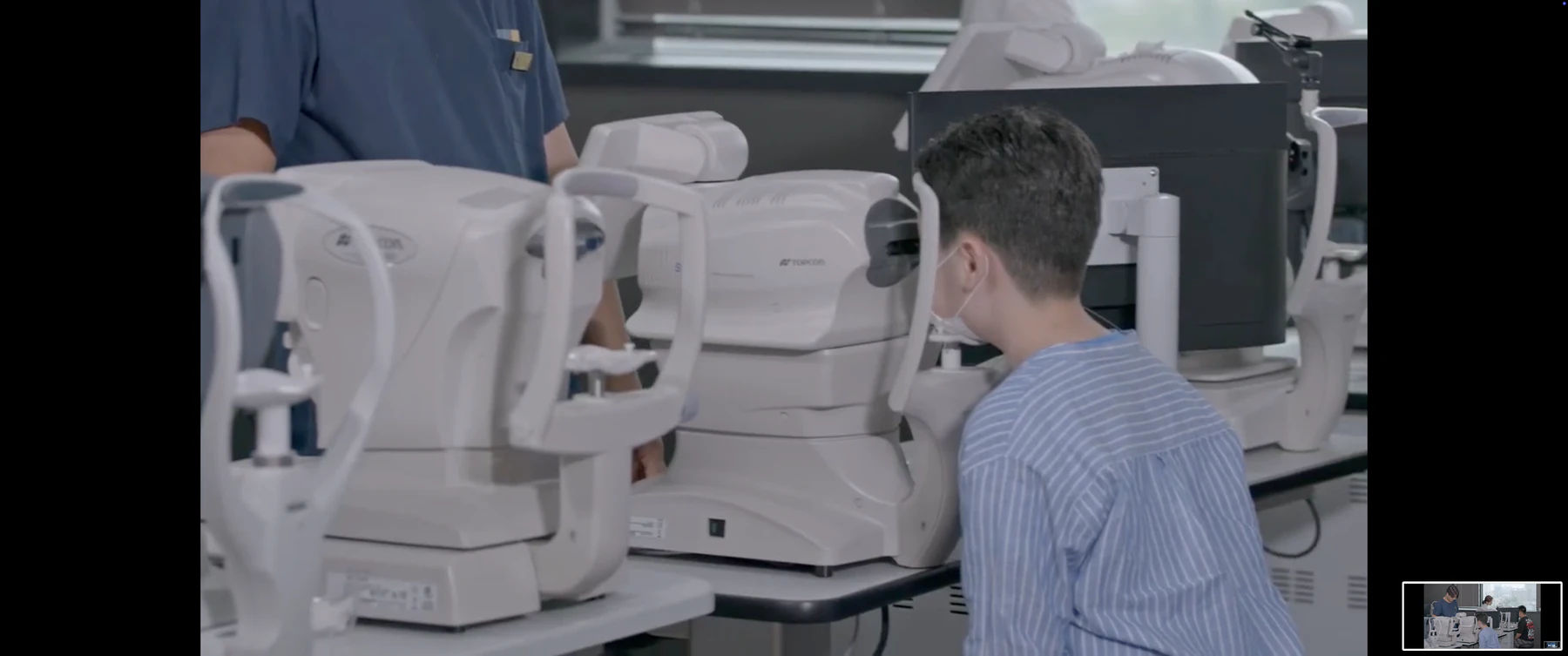
Planning a visit near Seolleung Station
If you are looking for an eye clinic near Seolleung Station, Gangnam Central Eye Clinic publishes a location at 333 Teheran-ro, Sindoventure Tower, Gangnam-gu. See the clinic directions and the English clinic information, then confirm the appointment floor, opening hours, and arrival arrangements.
Use the street address when arranging a taxi or navigation route. Keep the building name and contact number available as well as the English clinic name. If parking or mobility access matters, ask before setting out. The safest practical plan is to have the appointment details confirmed rather than relying on an old listing or assuming that all Gangnam clinics share a location.
Sudden symptoms should not wait for a routine booking
The NEI retinal-detachment guidance identifies new flashes, a sudden increase in floaters, and a curtain-like shadow as warning signs requiring urgent assessment. Seek prompt medical help for sudden loss of vision, severe eye pain, or an eye injury rather than waiting for an online reply.
An outpatient enquiry form is not an emergency service. If the clinic is closed or cannot provide urgent evaluation, use an appropriate emergency medical service. If you have recently had an operation, also follow the treating team's urgent-contact instructions and tell the assessing doctor what procedure you had.
Frequently asked questions
Can I book an eye clinic in Seoul without wanting surgery?
Yes. Describe your symptoms or examination needs when booking so the clinic can advise whether it can assess the problem and which appointment is appropriate.
What should I bring to an ophthalmologist in Gangnam?
Bring your glasses, prescriptions, examination records, medication and eye-drop list, and a summary of symptoms or previous procedures. Ask for any additional preparation instructions.
Can I drive after an eye examination?
Some tests, including dilation, can temporarily affect vision. Ask the clinic before the appointment and arrange transport rather than assuming you can drive home.
What if I develop sudden flashes or a shadow in my vision?
Seek urgent medical evaluation. Do not wait for a routine appointment or an online consultation reply.
References and clinic information
Medical information was checked against the public guidance below. Clinic arrival details should be confirmed when booking.
Medical information standards
This article was prepared from publicly available ophthalmology guidance and the clinic's examination process. A diagnosis or treatment plan can only be made after an individual eye examination and consultation.
- Clinic director: Pung GyeHyeon, MD · Ophthalmologist
- Organization: Gangnam Central Eye Clinic · Seoul, Korea
- Published / last updated: 2026-10-05 / 2026-10-05
This article is general medical information and is not a substitute for personal diagnosis or treatment. Seek prompt eye care for sudden vision loss, severe pain, marked redness, flashes, or a new curtain-like shadow.